Middle eastern appetizers are celebrated around the world for their vibrant flavors, colorful presentation, and healthy ingredients. One of the biggest reasons these dishes taste so fresh is the generous use of herbs.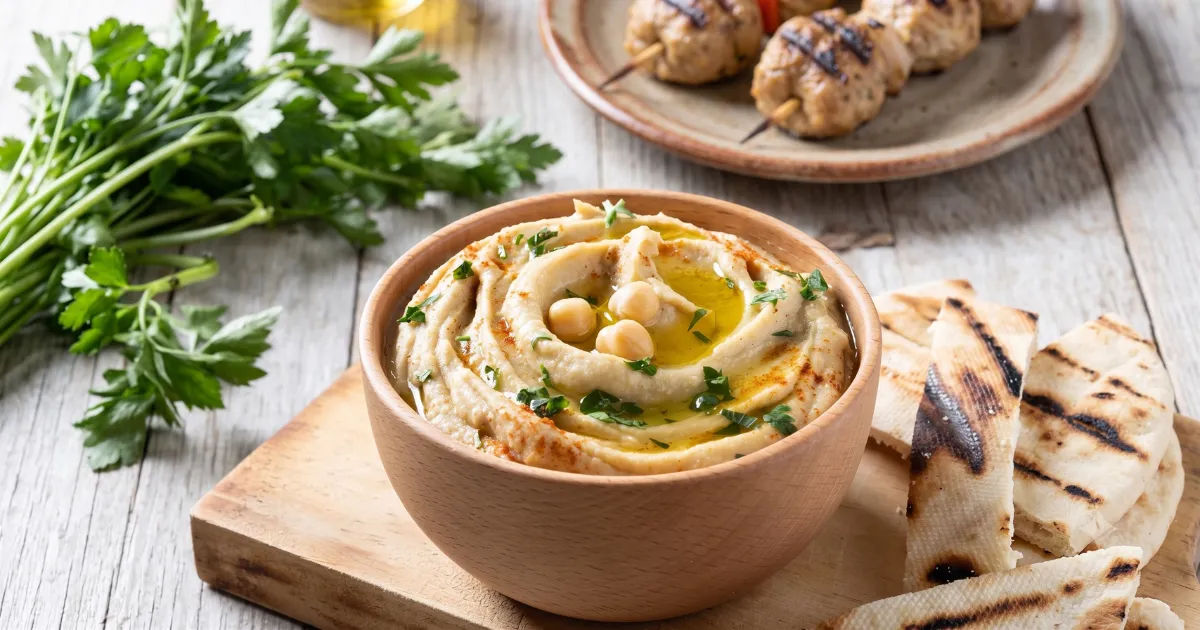
Parsley, mint, cilantro, dill, oregano, and thyme add bright flavors, rich aromas, and beautiful color to countless recipes. Whether served before a family dinner, at a festive gathering, or as part of a traditional mezze platter, middle eastern appetizers often rely on fresh herbs to create their signature taste.
Fresh herbs do much more than garnish a dish. They enhance vegetables, complement grilled foods, balance creamy dips, and add depth to salads. Many traditional recipes use herbs as one of the main ingredients instead of simply adding a small amount for decoration. This approach creates appetizers that are flavorful, nutritious, and satisfying.
This guide explores the most popular middle eastern appetizers that use fresh herbs, explains why herbs are so important in Middle Eastern cooking, and offers practical tips for preparing these delicious dishes at home.
Why Fresh Herbs Matter in Middle Eastern Cuisine
Fresh herbs have been part of Middle Eastern cooking for centuries. The warm climate throughout much of the region supports the growth of aromatic herbs, making them readily available throughout the year.
Unlike many cuisines where herbs are used sparingly, Middle Eastern recipes often feature generous handfuls of parsley, mint, dill, and cilantro. These herbs provide freshness while balancing spices such as cumin, coriander, cinnamon, paprika, and sumac.
Fresh herbs also contribute several benefits:
Bright Flavor
Herbs add a clean, refreshing taste that prevents dishes from becoming too heavy.
Natural Aroma
Fresh parsley and mint release fragrant oils that make appetizers smell inviting before the first bite.
Beautiful Appearance
Green herbs contrast beautifully with tomatoes, cucumbers, olives, yogurt, and roasted vegetables.
Nutritional Value
Many herbs contain vitamins, antioxidants, and minerals that support a healthy diet.
The Most Popular Fresh Herbs Used
Understanding the herbs helps you appreciate why middle eastern appetizers taste so distinctive.
Parsley
Parsley is perhaps the most commonly used herb. Flat-leaf parsley offers a clean, peppery flavor that works well in salads, dips, and stuffed vegetables.
Mint
Fresh mint provides cooling freshness and pairs especially well with yogurt, cucumber, and lemon.
Cilantro
Cilantro has a bold, citrus-like flavor that complements spicy dishes and bean-based appetizers.
Dill
Dill adds a mild sweetness that enhances yogurt sauces and vegetable dishes.
Thyme
Fresh thyme contributes earthy notes and is commonly combined with olive oil and other herbs.
Oregano
Fresh oregano delivers a slightly peppery taste that pairs well with roasted vegetables and grilled appetizers.
Tabbouleh: The Herb-Packed Classic
Few middle eastern appetizers showcase fresh herbs better than tabbouleh.
Unlike many grain salads where parsley is a garnish, tabbouleh uses parsley as the primary ingredient. Finely chopped parsley is mixed with mint, tomatoes, onions, bulgur wheat, olive oil, fresh lemon juice, salt, and black pepper.
The result is a refreshing salad that is light yet satisfying.
Why It Stands Out
Tabbouleh contains more herbs than grains, giving every bite a fresh and vibrant flavor.
Best Herbs
-
Flat-leaf parsley
-
Fresh mint
Serving Suggestions
Serve chilled alongside pita bread, hummus, grilled vegetables, or kebabs.
Fattoush: Crispy and Fresh
Fattoush is another famous salad among middle eastern appetizers that depends heavily on herbs.
This colorful dish combines chopped lettuce, cucumbers, tomatoes, radishes, green onions, toasted pita chips, parsley, mint, olive oil, lemon juice, and sumac.
The herbs brighten every bite while the crispy pita adds texture.
Herb Combination
Parsley and mint are the stars, although some families also include fresh oregano.
Flavor Profile
Fattoush balances tangy, crunchy, savory, and refreshing flavors in every serving.
Herb-Infused Hummus
Traditional hummus is already one of the world's favorite middle eastern appetizers, but adding fresh herbs creates exciting flavor variations.
Classic hummus contains chickpeas, tahini, garlic, lemon juice, olive oil, and cumin. Fresh herbs can transform this familiar dip into something unique.
Popular Herb Options
Parsley Hummus
Fresh parsley creates a vibrant green color while adding mild peppery notes.
Cilantro Hummus
Cilantro offers a bright, citrus-like flavor that pairs well with garlic.
Dill Hummus
Fresh dill creates a lighter, slightly sweet variation.
Mint Hummus
Mint produces an especially refreshing version during warm weather.
Baba Ganoush with Fresh Herbs
Baba ganoush is another classic among middle eastern appetizers.
Made from roasted eggplant, tahini, garlic, lemon juice, and olive oil, baba ganoush becomes even more flavorful when topped with chopped parsley, mint, or cilantro.
The smoky eggplant contrasts beautifully with the brightness of fresh herbs.
Recommended Garnishes
-
Chopped parsley
-
Mint leaves
-
Cilantro
-
Fresh thyme
These herbs not only improve flavor but also make the presentation more appealing.
Labneh with Herbs
Labneh is a thick strained yogurt that appears on many mezze tables.
Although delicious on its own, fresh herbs elevate its flavor significantly.
Popular additions include:
-
Mint
-
Dill
-
Parsley
-
Chives
-
Thyme
A drizzle of olive oil and a sprinkle of herbs turn simple labneh into one of the easiest middle eastern appetizers to prepare.
Serve with warm pita, cucumbers, carrots, or olives.
Stuffed Grape Leaves
Stuffed grape leaves, often called dolma or warak enab, rely heavily on herbs.
The filling typically includes rice, onions, parsley, mint, dill, olive oil, lemon juice, and spices.
Many recipes use nearly equal amounts of herbs and rice, producing a filling that is fresh rather than heavy.
Key Herbs
-
Parsley
-
Mint
-
Dill
The herbs keep the filling light while complementing the tangy grape leaves.
Falafel with Fresh Herbs
Many people assume falafel is made mainly from chickpeas, but herbs are equally important.
Authentic falafel mixtures often include generous amounts of parsley and cilantro blended with chickpeas, garlic, onions, cumin, coriander, and other spices.
The herbs help create the signature green interior found in traditional falafel.
Why Herbs Matter
Fresh herbs add moisture, improve texture, and provide the fresh flavor that distinguishes authentic falafel from dry versions.
Serve falafel with herb-filled tahini sauce, chopped salad, or fresh pita for a satisfying appetizer.
Fresh Herb Yogurt Dip
A refreshing yogurt dip is one of the simplest middle eastern appetizers you can prepare. Thick yogurt mixed with chopped mint, dill, parsley, garlic, lemon juice, and olive oil creates a creamy dip that pairs well with vegetables, grilled meats, and warm pita bread.
Best Herb Combinations
Fresh herbs can be mixed to create different flavor profiles.
-
Parsley and mint for a bright, refreshing taste.
-
Dill and mint for a cool and creamy dip.
-
Cilantro and parsley for a bold herbal flavor.
-
Thyme and parsley for an earthy finish.
This appetizer is quick to prepare and is perfect for both casual meals and special occasions.
Herb-Filled Cheese Pastries
Many traditional pastries found among middle eastern appetizers include generous amounts of fresh herbs. Soft cheeses such as feta or akkawi are often combined with parsley, mint, dill, or cilantro before being wrapped in thin pastry dough and baked until golden brown.
The herbs keep the filling light while adding fresh flavor that balances the richness of the cheese.
Serving Ideas
These pastries taste wonderful with:
-
Fresh tomatoes
-
Olives
-
Cucumber slices
-
Yogurt dip
-
Lemon wedges
They can be served warm or at room temperature, making them an excellent party appetizer.
Fresh Herb Vegetable Platters
Not every appetizer requires cooking. Traditional mezze often includes fresh vegetables accompanied by herb-based dips.
Popular vegetables include:
-
Cucumbers
-
Carrots
-
Bell peppers
-
Radishes
-
Cherry tomatoes
-
Celery
Pair these vegetables with hummus, labneh, or baba ganoush topped generously with chopped parsley and mint. These colorful platters are among the healthiest middle eastern appetizers because they are naturally rich in fiber, vitamins, and minerals.
Fresh Herb Salads Beyond Tabbouleh
Although tabbouleh is the best-known herb salad, several other middle eastern appetizers also feature abundant fresh herbs.
Many regional salads combine:
-
Chopped parsley
-
Fresh mint
-
Tomatoes
-
Cucumbers
-
Green onions
-
Olive oil
-
Lemon juice
-
Sumac
These simple ingredients create crisp, refreshing salads that complement grilled meats and richer dishes.
How to Choose Fresh Herbs
The quality of herbs greatly affects the flavor of middle eastern appetizers.
When shopping, look for herbs that have:
-
Bright green leaves
-
Firm stems
-
No yellow spots
-
No slimy texture
-
A fresh, pleasant aroma
Avoid herbs that appear wilted or dry because they lose much of their flavor.
Proper Storage Tips
Fresh herbs stay flavorful longer when stored correctly.
Refrigeration
Wrap herbs loosely in a damp paper towel before placing them inside a storage bag in the refrigerator.
Water Method
Place herbs like parsley and cilantro in a glass of water and loosely cover the leaves with a plastic bag.
Freezing
Chopped herbs can be frozen with olive oil in ice cube trays for convenient cooking later.
Proper storage helps reduce waste while ensuring your middle eastern appetizers always taste fresh.
Tips for Preparing Herb-Based Appetizers
Fresh herbs are delicate and should be handled carefully.
Wash Thoroughly
Rinse herbs under cool water to remove dirt before drying completely.
Chop Just Before Serving
Fresh herbs lose aroma after cutting, so chop them shortly before serving whenever possible.
Use Sharp Knives
Sharp knives prevent bruising and preserve the herbs' natural oils.
Balance Flavors
Avoid overwhelming the dish with one herb. Combining parsley with mint or dill often creates a more balanced flavor.
These simple techniques improve both the appearance and taste of homemade middle eastern appetizers.
Common Mistakes to Avoid
Even experienced cooks sometimes make mistakes when preparing herb-rich dishes.
Using Dried Herbs Instead of Fresh
Many traditional recipes depend on the brightness of fresh herbs. Dried herbs cannot fully replace them.
Overmixing
Stir gently to avoid bruising delicate herbs.
Adding Herbs Too Early
Fresh herbs should often be added near the end of preparation to preserve their color and aroma.
Ignoring Balance
Too much mint or cilantro can overpower other ingredients. A balanced combination creates better flavor.
Avoiding these mistakes will help your middle eastern appetizers taste more authentic.
Health Benefits of Fresh Herbs
Fresh herbs contribute more than flavor.
Some potential benefits include:
-
Rich in antioxidants
-
Good source of vitamins A, C, and K
-
May support healthy digestion
-
Naturally low in calories
-
Add flavor without extra salt
-
Provide dietary fiber in many recipes
Because herbs replace heavy sauces in many middle eastern appetizers, these dishes often fit well into balanced eating habits.
Building a Mezze Platter with Fresh Herbs
A traditional mezze platter showcases several middle eastern appetizers together.
An attractive platter may include:
-
Herb hummus
-
Baba ganoush
-
Labneh
-
Tabbouleh
-
Fattoush
-
Stuffed grape leaves
-
Falafel
-
Fresh vegetables
-
Olives
-
Warm pita bread
Finish the platter with extra parsley, mint leaves, lemon wedges, and a drizzle of high-quality olive oil. The fresh herbs tie all the flavors together while creating a colorful presentation.
Frequently Asked Questions
Which herb is used most often in Middle Eastern appetizers?
Parsley is the most widely used herb. It appears in salads, dips, stuffed vegetables, falafel, and many other traditional recipes.
Can I substitute dried herbs?
Fresh herbs are recommended because they provide brighter flavor, better texture, and more vibrant color. Dried herbs work in some cooked dishes but are not ideal for fresh salads and dips.
Which herbs pair best with hummus?
Parsley, cilantro, dill, and mint are all excellent additions to hummus. Each creates a different flavor while maintaining the traditional character of the dip.
Are herb-based appetizers healthy?
Yes. Many middle eastern appetizers contain vegetables, olive oil, legumes, yogurt, and generous amounts of fresh herbs, making them nutritious choices when enjoyed as part of a balanced diet.
Can I prepare herb appetizers ahead of time?
Some dishes, such as hummus, labneh, and baba ganoush, can be prepared in advance. Salads like tabbouleh and fattoush taste best when the herbs are chopped shortly before serving.
Conclusion
Fresh herbs are one of the defining characteristics of authentic middle eastern appetizers. Rather than serving as simple garnishes, parsley, mint, cilantro, dill, thyme, and oregano become essential ingredients that shape the flavor, aroma, texture, and appearance of each dish. Whether you are enjoying a bowl of tabbouleh, creamy hummus, smoky baba ganoush, crisp fattoush, herb-filled stuffed grape leaves, or freshly made falafel, the generous use of herbs creates the bright and refreshing taste that makes these recipes so memorable.
Preparing middle eastern appetizers at home is also an excellent way to enjoy wholesome ingredients while exploring the rich culinary traditions of the Middle East. By selecting fresh herbs, storing them properly, and combining them thoughtfully with vegetables, legumes, yogurt, and olive oil, you can create appetizers that are both delicious and nutritious. From simple family meals to festive gatherings, herb-filled appetizers bring color, freshness, and authentic flavor to every table, making them a timeless favorite for cooks and food lovers around the world.
No Responses