What rocks suit pondless waterfall installation Long Island is one of the most important questions homeowners ask when planning a natural-looking backyard water feature.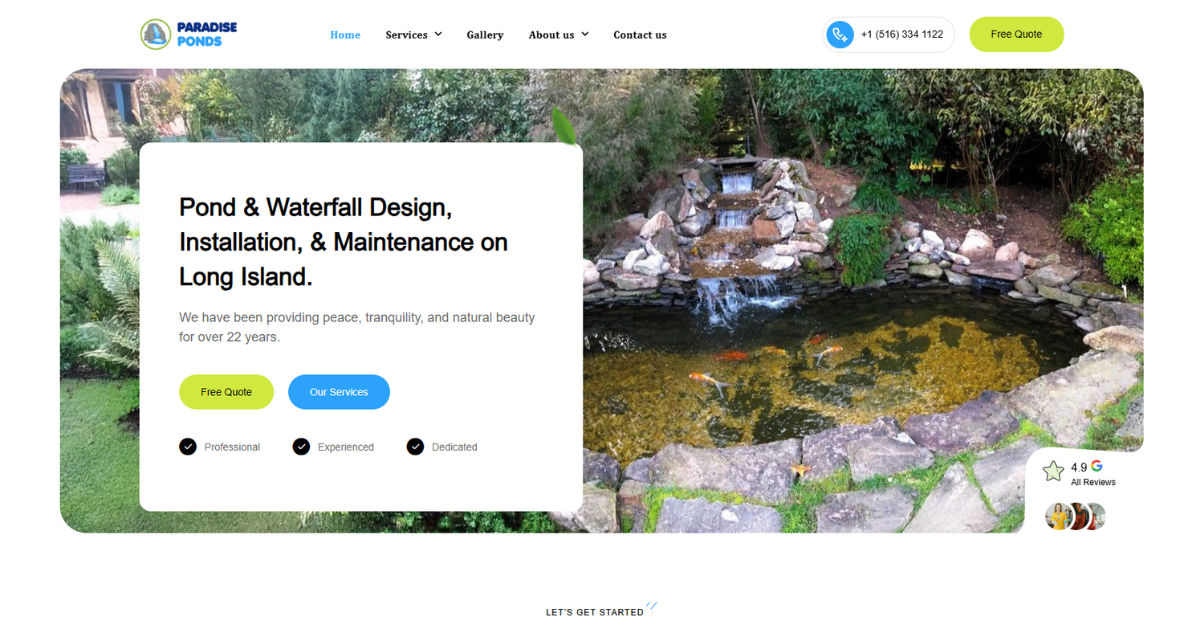
Choosing the right stones affects not only the beauty of the waterfall but also its durability, water flow, and long-term maintenance. In regions like Long Island, where seasonal weather changes can be intense, selecting the correct rock types becomes even more important for a successful build.
This guide explains everything in simple terms, from the best rock choices to design tips and installation advice for a long-lasting and natural result. We will also focus on how different stones behave in water features and what works best specifically for pondless waterfall installation Long Island projects.
Pondless Waterfall Systems
A pondless waterfall is a recirculating water feature where water flows over rocks and disappears into an underground reservoir instead of collecting in a pond. This makes it safer, easier to maintain, and ideal for residential yards.
In a typical pondless waterfall installation Long Island, water moves through three main components:
- A hidden underground basin
- A pump system
- A rock and stone waterfall structure
Because there is no visible pond, the rock arrangement becomes the centerpiece. That is why selecting the right materials is essential.
Why Rock Selection Matters in Pondless Waterfalls
Rock choice affects three key things:
1. Water Flow
Smooth water movement depends on how rocks are shaped and placed. Incorrect rock types can disrupt flow or create unwanted splashing.
2. Natural Appearance
A waterfall should look like it belongs in nature. The wrong stones can make a pondless waterfall installation Long Island look artificial.
3. Durability in Climate
Long Island experiences freezing winters and humid summers. Rocks must handle freeze-thaw cycles without cracking or shifting.
Best Types of Rocks for Pondless Waterfall Installation Long Island
Choosing the right combination of rocks creates both function and beauty. Below are the most commonly used and recommended options.
Fieldstone: The Most Natural Choice
Fieldstone is one of the most popular materials for pondless waterfall installation Long Island because it blends naturally into outdoor landscapes.
Why Fieldstone Works Well
- Naturally shaped by weather
- Earthy tones (gray, brown, tan)
- Available locally in the Northeast
- Strong and weather-resistant
Best Uses
- Waterfall edges
- Stacked cascades
- Natural transitions between levels
Fieldstone creates a soft, organic look that fits perfectly in Long Island gardens.
Granite Boulders: Strength and Stability
Granite is one of the strongest rock types used in landscaping.
Benefits of Granite
- Extremely durable
- Resistant to erosion
- Handles freezing temperatures well
- Heavy enough to stay stable
For pondless waterfall installation Long Island, granite boulders are often used as anchor stones. These large rocks form the backbone of the waterfall structure.
Where to Use Granite
- Base of the waterfall
- Large drops and focal points
- Structural support areas
Limestone: Light and Versatile
Limestone is softer in appearance and easier to shape than granite.
Advantages
- Light color enhances water reflection
- Easier to cut and shape
- Creates smooth water flow surfaces
Considerations
- Slightly more porous than granite
- May weather faster over time
In a pondless waterfall installation Long Island, limestone is often used in combination with harder stones for balance.
Slate: Smooth and Elegant Flow
Slate is a flat, layered rock that creates beautiful water sheets.
Why Slate is Popular
- Creates smooth water flow
- Elegant layered appearance
- Dark colors enhance contrast with water
Ideal Uses
- Waterfalls with thin water curtains
- Decorative ledges
- Modern-style designs
Slate adds visual sophistication to any pondless waterfall installation Long Island project.
River Rock: Natural Fill and Flow Control
River rocks are smooth and rounded stones shaped by natural water movement.
Benefits
- Very smooth surface
- Comfortable visual flow
- Prevents sharp edges in design
Uses in Waterfalls
- Stream beds
- Filling gaps between larger stones
- Covering exposed liner or base
River rock is essential in almost every pondless waterfall installation Long Island because it creates a natural riverbed effect.
Bluestone: A Local Favorite in Long Island
Bluestone is widely used in the Northeast and is especially popular in Long Island landscaping.
Advantages
- Locally sourced in many cases
- Strong and weather-resistant
- Beautiful blue-gray color
Best Uses
- Flat stepping surfaces
- Waterfall shelves
- Decorative accents
Bluestone is often integrated into pondless waterfall installation Long Island designs for a regional aesthetic.
Basalt: Modern and Dramatic Look
Basalt is a volcanic rock known for its dark color and clean lines.
Features
- Deep black or dark gray tone
- Very dense and durable
- Creates modern waterfall styles
Where It Fits Best
- Contemporary backyard designs
- Straight-edge waterfall drops
- Highlight contrast with lighter stones
Basalt gives a bold look to pondless waterfall installation Long Island landscapes.
How to Combine Rocks for Best Results
A successful waterfall is never made from just one type of rock. Mixing materials is key.
Recommended Combination Strategy
- Large granite boulders for structure
- Fieldstone for natural blending
- Slate for water flow surfaces
- River rock for filling gaps
This layered approach ensures a balanced and realistic pondless waterfall installation Long Island design.
Rock Size and Placement Tips
Choosing the right size is just as important as choosing the right type.
Large Rocks
- Create main structure
- Anchor waterfall levels
- Prevent shifting over time
Medium Rocks
- Shape water flow paths
- Connect large stones visually
Small Rocks
- Fill gaps
- Smooth transitions
- Hide liner and equipment
Proper placement ensures your pondless waterfall installation Long Island remains stable and visually appealing.
Designing for Long Island Climate
Long Island weather includes cold winters, heavy rain, and occasional storms. This affects rock performance.
Important Considerations
- Freeze-thaw resistance is essential
- Heavy rocks prevent shifting during storms
- Proper drainage prevents erosion
Granite, basalt, and fieldstone are especially suitable for pondless waterfall installation Long Island because they handle weather stress well.
Avoiding Common Rock Mistakes
Even good materials can fail if used incorrectly.
Mistake 1: Using Too Many Smooth Rocks
Too many river rocks can make the waterfall look artificial.
Mistake 2: Ignoring Weight Balance
Light stones may shift over time, especially during heavy rain.
Mistake 3: Poor Layering
Without proper layering, water may leak unevenly or splash too much.
Avoiding these mistakes ensures a stable pondless waterfall installation Long Island design.
Water Flow and Rock Positioning
Water movement depends heavily on rock arrangement.
Key Principles
- Angled rocks create natural cascades
- Flat rocks guide smooth flow
- Gaps control speed and direction
Designers of pondless waterfall installation Long Island projects often test water flow before final placement to ensure balance.
Enhancing Aesthetic Appeal
Beyond function, rocks also create visual beauty.
Tips for Natural Appearance
- Mix textures (rough + smooth)
- Use earthy colors for realism
- Avoid symmetrical patterns
- Let some rocks appear partially buried
These techniques make a pondless waterfall installation Long Island look like a natural stream rather than a constructed feature.
Maintenance Considerations
Rock choice also affects maintenance needs.
Low-Maintenance Rocks
- Granite
- Basalt
- Fieldstone
Higher Maintenance Rocks
- Limestone (may weather faster)
- Soft decorative stones
A well-planned pondless waterfall installation Long Island using durable rocks reduces cleaning and repair work over time.
Cost Factors of Different Rocks
Material choice also impacts budget.
- Fieldstone: moderate cost, widely available
- Granite: higher cost but long-lasting
- River rock: affordable filler option
- Slate: premium decorative option
- Basalt: mid-to-high cost depending on source
Balancing cost and durability is important in pondless waterfall installation Long Island planning.
Environmental Benefits of Natural Rock Waterfalls
Using natural stone provides eco-friendly advantages:
- Reduces synthetic materials
- Blends with local environment
- Supports natural water recycling systems
A well-designed pondless waterfall installation Long Island can enhance biodiversity by attracting birds and beneficial insects.
Professional vs DIY Rock Installation
DIY Approach
- Lower cost
- Requires physical effort
- Risk of improper placement
Professional Installation
- Expert rock selection
- Better structural stability
- Longer-lasting results
Most homeowners choose professional help for pondless waterfall installation Long Island due to complexity and weight of materials.
Final Design Tips
To create a truly impressive waterfall:
- Focus on natural flow, not symmetry
- Use a mix of 3–5 rock types
- Prioritize structural stability first
- Blend edges into the surrounding landscape
These principles ensure your pondless waterfall installation Long Island becomes a standout feature in your yard.
Conclusion
Choosing the right rocks is the foundation of a successful waterfall design. From durable granite boulders to elegant slate and natural fieldstone, each material plays a specific role in shaping both beauty and function. In regions like Long Island, where weather conditions can be challenging, selecting strong and weather-resistant stones is especially important.
A well-planned pondless waterfall installation Long Island combines structure, aesthetics, and durability through thoughtful rock selection and placement. When done correctly, it creates a peaceful, natural-looking water feature that enhances outdoor living spaces for years.
By understanding how each rock type contributes to flow, stability, and appearance, homeowners can make smarter design decisions and avoid common mistakes. Whether you prefer a rustic natural stream or a modern waterfall design, the right stone selection will always be the key to success.
No Responses