Choosing the right materials for your cabinets is one of the most important decisions when designing or renovating a kitchen, bathroom, laundry room, or storage area. Cabinets influence the appearance, functionality, durability, and overall value of your home. With several materials available, homeowners need to understand which options offer the best combination of strength, beauty, maintenance, and affordability. 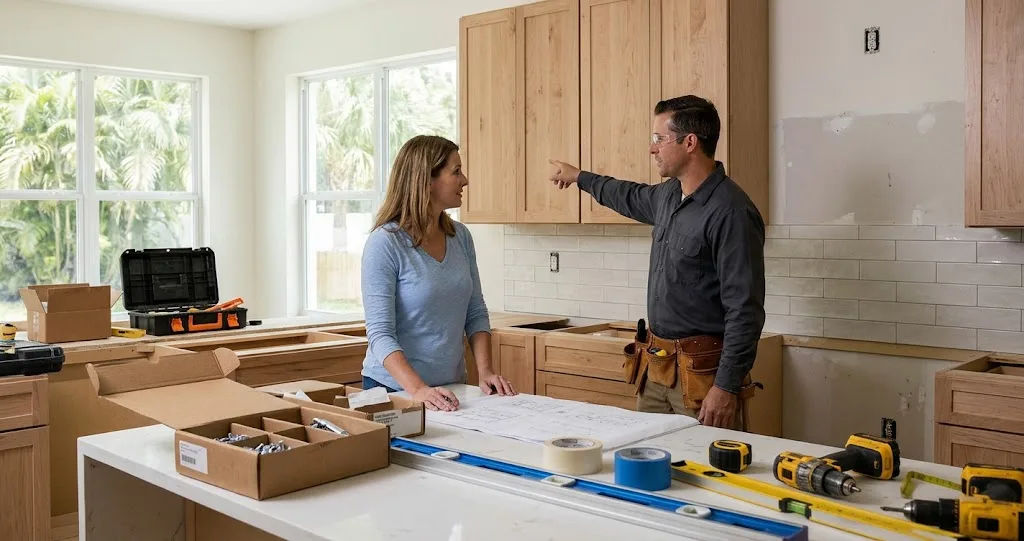 When planning custom cabinets Jacksonville FL, it is important to consider the local climate, especially the area's humidity, seasonal temperature changes, and occasional heavy rainfall. These environmental conditions can affect how cabinet materials perform over time. Selecting suitable materials can help prevent moisture-related damage, warping, swelling, and premature wear.
Whether you prefer traditional wooden cabinets, modern designs, or a combination of different finishes, the right material can make a significant difference. Understanding the advantages and disadvantages of each option will help you make an informed decision that suits your lifestyle and budget.
This comprehensive guide explores the most popular cabinet materials, their benefits, potential drawbacks, and the factors homeowners should consider before making a purchase.
The Importance of Cabinet Materials
Cabinet materials determine how well your cabinets perform under everyday conditions. Although appearance is important, the construction material affects much more than the overall design.
High-quality materials provide structural stability, support heavy items, and withstand frequent opening and closing. They can also make cleaning easier and help cabinets maintain their appearance for many years.
For example, kitchen cabinets experience exposure to cooking oils, steam, food spills, and cleaning products. Bathroom cabinets regularly encounter moisture from showers, sinks, and daily activities.
Choosing an unsuitable material may lead to swollen cabinet doors, loose hinges, peeling finishes, or damaged surfaces.
Homeowners should consider durability, moisture resistance, maintenance requirements, appearance, and overall cost when comparing materials.
1. Solid Wood: A Classic and Durable Choice
Solid wood remains one of the most popular choices for homeowners who appreciate natural beauty and traditional craftsmanship.
It is made from natural lumber rather than manufactured wood fibers or layers. Different wood species offer unique grain patterns, colors, textures, and levels of hardness.
Popular Types of Solid Wood
Several wood species are commonly used for cabinet construction.
-
Oak: Oak is known for its distinctive grain pattern and excellent strength. It is suitable for traditional, farmhouse, and transitional kitchens.
-
Maple: Maple has a smooth, subtle grain that works well with contemporary and traditional designs.
-
Cherry: Cherry wood features warm reddish tones that gradually deepen with age. It creates an elegant and sophisticated appearance.
-
Hickory: Hickory is a strong hardwood with noticeable grain variations and natural character.
-
Walnut: Walnut offers rich brown tones and attractive grain patterns, making it popular for premium cabinet designs.
Advantages of Solid Wood
Solid wood is strong, attractive, and capable of lasting for decades when properly maintained.
Another advantage is its ability to be refinished. If the surface becomes scratched or outdated, homeowners may be able to sand and stain or repaint it rather than replacing the entire cabinet.
Natural wood also provides design flexibility. It can be stained, painted, or finished in different ways to complement various interior styles.
Potential Disadvantages
Solid wood can be expensive, especially when using premium hardwood species.
It is also sensitive to environmental changes. High humidity can cause wood to absorb moisture, while dry conditions may cause it to shrink.
For homes in Jacksonville, proper sealing, finishing, installation, and indoor humidity management are essential.
Solid wood is an excellent option for homeowners who want natural character and long-term value, provided they are comfortable with its maintenance requirements.
2. Plywood: A Strong and Reliable Cabinet Material
Plywood is one of the most practical materials for cabinet boxes. It is manufactured by bonding several thin layers of wood veneer together, with the grain direction alternating between layers.
This construction method provides excellent stability and strength.
Why Plywood Is Popular
Plywood is less likely to expand, contract, or warp than many solid wood panels because of its layered construction.
It also offers good screw-holding strength, which is important for attaching hinges, drawer slides, and other cabinet hardware.
High-quality plywood can support heavy kitchen items, making it particularly useful for cabinet frames, shelves, and structural components.
Benefits of Plywood Cabinets
Some important advantages include:
-
Strong structural performance.
-
Good dimensional stability.
-
Reliable screw-holding ability.
-
Multiple thickness options.
-
Compatibility with different finishes.
-
Long service life when properly protected.
Is Plywood Suitable for Jacksonville Homes?
Yes, plywood can be an excellent choice for Jacksonville properties.
However, not all plywood products are equally resistant to moisture. Standard plywood can still experience damage when exposed to prolonged water contact.
Homeowners should consider quality grades, suitable adhesives, sealed edges, and protective finishes.
Marine-grade plywood may be appropriate for certain moisture-sensitive applications, although it is not automatically necessary for every cabinet project.
Plywood is particularly suitable for homeowners who want dependable cabinet construction without paying the premium associated with all-solid-wood cabinetry.
3. Medium-Density Fiberboard (MDF): Ideal for Smooth Painted Finishes
Medium-density fiberboard, commonly known as MDF, is an engineered wood product made from wood fibers, resin, and other binding materials.
The manufacturing process creates a dense, smooth, and consistent panel.
MDF is especially popular for cabinet doors because it provides an excellent surface for painting.
Advantages of MDF
One of the biggest benefits of MDF is its smooth texture.
Unlike natural wood, it does not have visible grain patterns or knots that may show through painted finishes.
It is also relatively affordable compared with many solid wood options.
Additional advantages include:
-
Consistent surface quality.
-
Excellent paint application.
-
Minimal natural grain movement.
-
Easy shaping for decorative cabinet doors.
-
Availability in different thicknesses.
MDF works particularly well for shaker-style doors, contemporary cabinetry, and decorative panels.
Potential Disadvantages of MDF
The main weakness of standard MDF is its sensitivity to water.
When exposed to excessive moisture, it can absorb water, swell, and lose its structural integrity. Once significantly swollen, it is difficult to restore.
For this reason, MDF should not be left with exposed edges or damaged protective coatings.
Moisture-resistant MDF products are available, but they should not be considered waterproof.
For Jacksonville homes, MDF can be a suitable option for painted cabinet doors in properly ventilated and maintained spaces. It is less suitable for areas where leaks or direct water exposure are likely.
4. Particleboard: An Affordable Cabinet Option
Particleboard is another engineered wood product used in affordable cabinet construction.
It is manufactured by combining small wood particles with adhesive and pressing them into panels.
Many budget-friendly cabinets use particleboard covered with laminate, melamine, or decorative finishes.
Benefits of Particleboard
The biggest advantage is affordability.
Particleboard is generally less expensive than plywood and solid wood, making it attractive for homeowners working with limited renovation budgets.
Other benefits include:
-
Smooth surfaces for decorative coverings.
-
Consistent panel thickness.
-
Relatively lightweight construction.
-
Availability in different finishes.
-
Efficient use of wood manufacturing materials.
Drawbacks to Consider
Particleboard generally has lower strength and screw-holding capacity than quality plywood.
It is also vulnerable to moisture. Water entering through exposed edges or damaged laminate can cause swelling and deterioration.
Repeated exposure to moisture can significantly shorten its lifespan.
When Should You Choose Particleboard?
Particleboard may work for inexpensive cabinetry in dry, low-impact areas.
However, homeowners should carefully evaluate its quality before using it in kitchens and bathrooms.
If you choose particleboard, look for properly sealed edges, durable surface coverings, and reliable hardware.
For areas exposed to Jacksonville's humidity, higher-quality plywood may provide better long-term performance.
5. Thermofoil: A Practical Option for Modern Cabinets
Thermofoil cabinets feature an engineered wood core, usually MDF, covered with a thin vinyl material applied using heat and pressure.
The covering creates a smooth, consistent surface that can resemble painted wood.
Thermofoil is available in several colors, textures, and finishes.
Advantages of Thermofoil
Thermofoil is popular because it is relatively affordable and easy to clean.
Its nonporous outer surface makes everyday cleaning simple. Minor spills and food splashes can usually be removed with a soft cloth and mild cleaning solution.
Other advantages include:
-
Consistent appearance.
-
Multiple color choices.
-
Smooth decorative finishes.
-
Minimal routine maintenance.
-
Affordable pricing compared with some premium materials.
Possible Disadvantages
Thermofoil can be sensitive to high temperatures.
Excessive heat from ovens, toasters, or other appliances may weaken the adhesive and cause the vinyl covering to peel.
It can also be difficult to repair if the surface becomes damaged.
Homeowners should follow manufacturer recommendations regarding heat protection and cleaning.
Thermofoil can be a practical option for modern kitchens, but careful installation and appropriate appliance spacing are important.
6. Stainless Steel: A Modern and Moisture-Resistant Choice
Stainless steel cabinets are often associated with professional kitchens, modern homes, and contemporary interior designs.
They offer a completely different appearance from traditional wood cabinetry.
Benefits of Stainless Steel
Stainless steel is highly resistant to moisture and does not swell like wood-based materials.
It is also easy to clean and does not require regular painting or staining.
Additional advantages include:
-
Excellent moisture resistance.
-
Strong structural performance.
-
Nonporous surfaces.
-
Resistance to many common household stains.
-
Modern and industrial appearance.
These qualities make stainless steel worth considering for homeowners who prioritize durability and easy cleaning.
Potential Disadvantages
Stainless steel cabinets can be expensive.
Fingerprints, scratches, and water spots may also become visible, depending on the finish.
Some homeowners find the appearance too industrial or cold for traditional residential interiors.
Nevertheless, stainless steel can work beautifully in contemporary kitchens, outdoor cooking areas, and selected utility spaces.
7. Laminate: Flexible Designs and Easy Maintenance
Laminate is a popular cabinet surface material that offers an extensive selection of colors, patterns, and textures.
It is typically applied over an engineered wood core, such as MDF or particleboard.
Modern laminates can imitate natural wood, stone, concrete, and other decorative materials.
Advantages of Laminate Cabinets
Laminate is available in many designs, making it easy to coordinate cabinetry with countertops, flooring, and wall colors.
Its protective surface is generally easy to clean and resistant to many everyday stains.
Other benefits include:
-
Wide design selection.
-
Consistent patterns.
-
Affordable options.
-
Simple routine cleaning.
-
Resistance to ordinary surface wear.
High-pressure laminate can provide particularly good durability when properly manufactured and installed.
Disadvantages of Laminate
Laminate quality varies significantly.
Lower-quality products may chip, scratch, or peel over time.
Water entering through damaged edges can also affect the underlying cabinet material.
Unlike natural wood, laminate generally cannot be sanded and refinished.
It is a practical option for homeowners who want attractive cabinetry with manageable maintenance requirements.
8. Bamboo: An Environmentally Conscious Alternative
Bamboo is increasingly used in residential cabinetry because of its distinctive appearance and renewable growth cycle.
Although bamboo is technically a grass, it can be processed into durable panels and cabinet components.
Why Consider Bamboo?
Bamboo provides a natural appearance that resembles certain hardwoods.
Its light color and attractive grain patterns work particularly well in contemporary, minimalist, and environmentally conscious interiors.
Benefits include:
-
Renewable raw material.
-
Attractive natural appearance.
-
Good strength in quality engineered products.
-
Different grain orientations and finishes.
-
Compatibility with modern interior designs.
What Should Homeowners Know?
Bamboo is not automatically moisture-proof.
Its performance depends on manufacturing quality, adhesives, protective coatings, and installation methods.
Homeowners should choose properly sealed products and ask manufacturers about moisture resistance.
Bamboo can be an interesting choice for homeowners who want something different from conventional wood cabinetry.
Comparing Popular Cabinet Materials
The following comparison provides a general overview of how these materials perform.
|
Material |
Durability |
Moisture resistance |
Typical cost |
|---|---|---|---|
|
Solid wood |
High |
Moderate when sealed |
High |
|
Plywood |
High |
Moderate to good, depending on grade |
Moderate to high |
|
MDF |
Moderate |
Low unless specially treated |
Low to moderate |
|
Particleboard |
Low to moderate |
Low |
Low |
|
Thermofoil |
Moderate |
Surface-resistant, vulnerable at damaged areas |
Low to moderate |
|
Stainless steel |
High |
Excellent |
High |
|
Laminate |
Moderate to high |
Depends on core and edge sealing |
Low to moderate |
|
Bamboo |
Moderate to high |
Depends on finishing |
Moderate to high |
Actual performance depends on product quality, construction, installation, maintenance, and environmental conditions.
How Jacksonville's Climate Affects Cabinet Material Selection
Jacksonville's climate deserves special consideration when selecting cabinet materials.
The region experiences warm temperatures, high humidity, seasonal rainfall, and occasional severe storms. These conditions can influence the performance of wood-based cabinetry.
Managing High Humidity
Humidity can affect natural wood and engineered wood products.
Wood may absorb moisture and expand, while poorly protected MDF and particleboard can swell when exposed to water.
Homeowners should select materials with appropriate protective finishes and maintain comfortable indoor humidity levels.
Proper air conditioning and ventilation can also help reduce moisture-related problems.
Preventing Water Damage
Kitchen and bathroom cabinets are particularly vulnerable to leaks.
A small plumbing leak beneath a sink can gradually damage cabinet floors and exposed edges.
Using quality materials, sealing vulnerable areas, and inspecting plumbing connections regularly can reduce the risk.
Choosing Suitable Finishes
Cabinet finishes provide an important protective layer.
Paint, varnish, lacquer, and other protective coatings can help reduce moisture penetration and surface deterioration.
However, no finish makes wood completely waterproof.
Professional preparation and consistent maintenance remain essential.
Factors to Consider Before Choosing Cabinet Materials
Selecting a cabinet material requires more than comparing prices and appearances.
Consider the following factors before making your decision.
1. Your Budget
Establish a realistic budget before choosing materials.
Solid hardwood, premium plywood, and stainless steel generally cost more than standard MDF or particleboard.
However, the cheapest option is not always the most economical over time.
Consider expected lifespan, repair costs, maintenance, and replacement expenses.
2. Your Interior Design
Your preferred interior style should influence your material selection.
Natural wood works well in traditional and farmhouse interiors, while painted MDF suits clean, contemporary spaces.
Stainless steel and laminate can create modern appearances.
Choose materials that complement your countertops, flooring, lighting, and wall finishes.
3. Maintenance Requirements
Some materials require more attention than others.
Solid wood may need occasional refinishing, while laminate and thermofoil generally require simple cleaning.
Think about how much time you want to spend maintaining your cabinets.
4. Expected Daily Use
Consider how frequently your cabinets will be used.
A busy family kitchen needs strong cabinet boxes, reliable hinges, durable shelves, and quality drawer construction.
A decorative cabinet in a guest room may not require the same level of structural strength.
5. Cabinet Construction Quality
The material alone does not determine cabinet quality.
Construction methods, joinery, hardware, thickness, and installation all contribute to overall performance.
Even premium wood can produce disappointing results if the cabinet is poorly assembled.
Which Materials Work Best in Different Rooms?
Different rooms have different environmental conditions and storage requirements.
Kitchen Cabinets
For kitchens, plywood cabinet boxes combined with solid wood or MDF doors can provide an excellent balance of durability and appearance.
Laminate is another practical option for homeowners seeking easy maintenance.
Pay particular attention to cabinet areas near sinks, dishwashers, and cooking appliances.
Bathroom Cabinets
Bathroom cabinetry needs appropriate moisture protection.
Plywood with sealed edges, quality finishes, and suitable hardware is often a sensible choice.
Moisture-resistant MDF may also work for painted doors when properly protected and installed away from direct water exposure.
Good bathroom ventilation is essential.
Laundry Room Cabinets
Laundry rooms can experience humidity from washing machines and dryers.
Plywood or well-protected engineered wood can work well, provided the room has suitable ventilation.
Avoid leaving exposed cabinet edges near plumbing connections.
Outdoor Kitchens
Outdoor kitchens require materials that can withstand moisture, temperature changes, and weather exposure.
Marine-grade materials and appropriately rated stainless steel cabinetry may be worth considering.
Standard indoor MDF and particleboard are generally unsuitable for exposed outdoor conditions.
Why Professional Cabinet Design and Installation Matter
Choosing good materials is only one part of a successful cabinet project.
Professional planning and installation help ensure that cabinets fit correctly, operate smoothly, and perform as expected.
An experienced cabinet professional can evaluate your space, recommend suitable materials, and explain the differences between construction options.
They can also help with measurements, door styles, hardware selection, storage layouts, and finishing details.
When discussing custom cabinets Jacksonville FL, ask potential contractors about the specific materials they use for cabinet boxes, doors, drawer fronts, and shelves.
Do not assume every component is made from the same material.
Request samples whenever possible so you can examine the surface, color, texture, and overall construction quality.
You should also ask about warranties, installation procedures, maintenance recommendations, and expected project timelines.
A detailed written estimate helps you understand what is included and avoid unexpected expenses.
Common Mistakes to Avoid When Selecting Cabinet Materials
Even carefully planned renovation projects can experience problems when homeowners overlook important details.
Here are some mistakes worth avoiding.
Choosing Price Over Quality
Low-cost cabinets may seem attractive initially, but poor construction can result in expensive repairs.
Compare the complete product rather than focusing exclusively on the initial price.
Ignoring Moisture Protection
Moisture protection is especially important in kitchens, bathrooms, and laundry rooms.
Always check whether exposed edges, cabinet backs, and vulnerable joints are properly protected.
Overlooking Hardware Quality
Cabinet hinges, drawer slides, handles, and mounting components influence everyday performance.
Choose reliable hardware that matches the cabinet's weight and intended use.
Forgetting Future Maintenance
Some materials require periodic refinishing, while others are easier to maintain.
Understand the maintenance requirements before committing to a particular design.
Not Requesting Material Samples
Colors and textures can look different under various lighting conditions.
Review physical samples in your home before selecting the final cabinet finish.
Conclusion
Choosing the right materials is essential for creating beautiful, functional, and long-lasting cabinetry. Homeowners should evaluate their design preferences, budget, maintenance expectations, and the environmental conditions of their property before making a decision.
Solid wood remains an excellent option for natural beauty, strength, and refinishing flexibility. Plywood offers dependable structural performance and is particularly suitable for cabinet boxes. MDF provides smooth surfaces for painted doors, while laminate and thermofoil offer attractive finishes with relatively simple maintenance. Stainless steel is worth considering for modern spaces and moisture-sensitive applications, while bamboo provides an appealing alternative for homeowners interested in renewable materials.
For Jacksonville properties, moisture protection should remain a priority. High humidity and occasional water exposure can affect many wood-based products, especially when their surfaces or edges are not properly protected. Selecting suitable materials, maintaining good ventilation, and addressing plumbing leaks promptly can help extend cabinet life.
When planning custom cabinets Jacksonville FL, remember that material selection should be based on the entire project rather than appearance alone. Cabinet construction, hardware, finishing, measurements, and professional installation all influence the final result.
Take time to compare different materials, request product samples, and discuss your requirements with an experienced cabinet professional. Ask questions about moisture resistance, maintenance, warranties, and construction quality before approving the design.
Ultimately, the best cabinet material is one that meets your practical needs while complementing your home's interior. With thoughtful planning and quality workmanship, you can create cabinetry that looks attractive, provides reliable storage, and serves your household comfortably for many years.
No Responses