The global shift toward cleaner energy has made low carbon heating solutions a major focus for homes, schools, and businesses.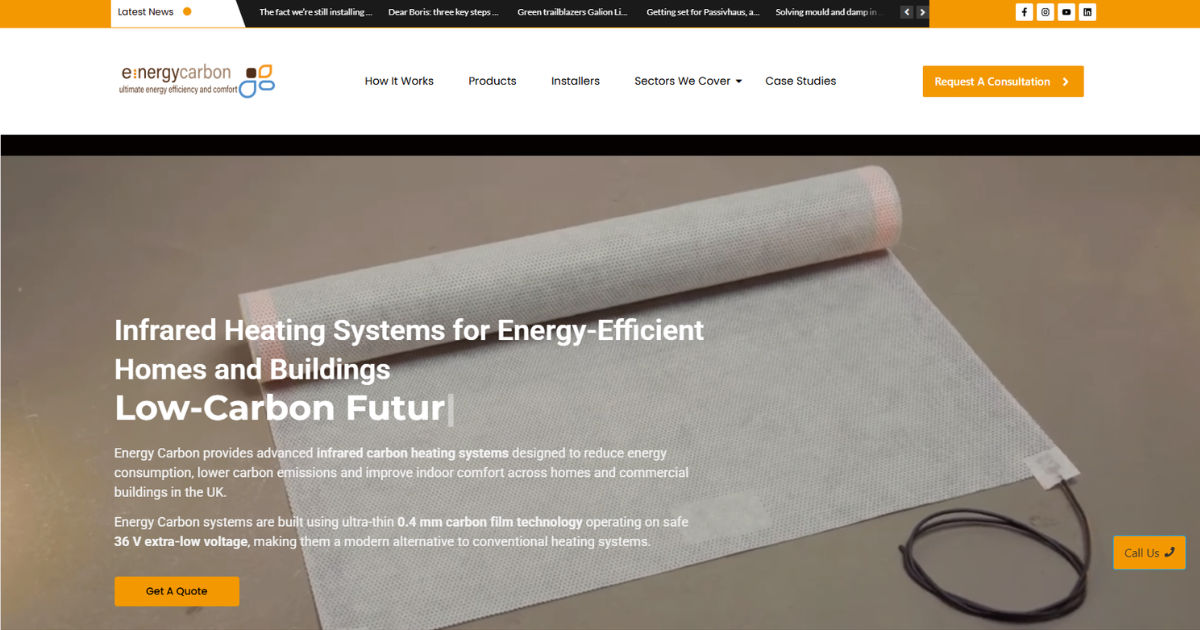
These systems aim to reduce greenhouse gas emissions while still providing reliable indoor heating using electricity instead of fossil fuels like gas or oil.
In this guide, you will learn what low carbon heating solutions are, how they work, and the different electric technologies available today. We will also explore their benefits, limitations, and future potential.
Understanding Low Carbon Heating Solutions
Low carbon heating solutions refer to heating systems that produce significantly fewer carbon emissions compared to traditional heating methods. Instead of burning fuel, most of these systems use electricity or renewable energy sources such as air, ground, or water heat.
Electric systems are especially important because electricity is increasingly being generated from renewable sources like wind and solar. This means heating becomes cleaner over time.
The most common low carbon heating solutions include:
- Heat pumps (air-source, ground-source, water-source)
- Electric resistance heating (high-efficiency modern systems)
- Infrared heating panels
- Electric boilers (in specific applications)
- Hybrid electric systems
Each system works differently, but all aim to reduce environmental impact.
Why Electric Heating Is Considered Low Carbon
Electric heating becomes low carbon when the electricity used comes from renewable energy sources or a low-emission grid.
The main reasons electric systems support low carbon heating solutions include:
- No on-site burning of fossil fuels
- High efficiency in energy use (especially heat pumps)
- Compatibility with solar and wind energy
- Reduced carbon emissions over time as grids become greener
A key advantage is that electric systems can improve automatically as the electricity supply becomes cleaner.
Heat Pumps: The Leading Low Carbon Heating Solution
Heat pumps are widely considered the most efficient and popular low carbon heating solutions today.
They do not create heat. Instead, they move heat from outside air, ground, or water into your home using electricity.
How Heat Pumps Work
Heat pumps operate like a refrigerator in reverse:
- They absorb heat from outside (even cold air contains heat)
- A refrigerant carries and compresses the heat
- The system releases warm air or water inside the home
Because they transfer heat instead of generating it, they can produce 3–4 times more heat energy than the electricity they use.
Air Source Heat Pumps (ASHP)
Air source heat pumps are the most common type of electric heating system.
Key Features:
- Extract heat from outdoor air
- Work in cold climates
- Can provide heating and cooling
- Suitable for most homes
Advantages:
- Lower installation cost than other heat pumps
- Works almost everywhere
- High efficiency compared to electric heaters
Limitations:
- Less efficient in extreme cold
- Requires outdoor unit space
Air source systems are one of the most widely used low carbon heating solutions in residential homes.
Ground Source Heat Pumps (GSHP)
Ground source systems use heat stored in the earth.
How it works:
- Pipes are buried underground
- A fluid circulates through the pipes
- Heat is absorbed from stable underground temperatures
Advantages:
- Very high efficiency year-round
- Stable performance in all weather
- Long system lifespan
Limitations:
- High installation cost
- Requires garden or land space
Ground source systems are among the most efficient low carbon heating solutions, but also the most expensive to install.
Water Source Heat Pumps
These systems extract heat from lakes, rivers, or underground water.
Key Points:
- Very efficient where water sources are available
- Stable temperature improves performance
- Less common due to location limitations
They are niche but powerful low carbon heating solutions for specific environments.
Electric Resistance Heating Systems
Electric resistance heating is a simpler form of electric heating where electricity directly produces heat.
Types:
- Electric radiators
- Storage heaters
- Baseboard heaters
Advantages:
- Easy to install
- Low upfront cost
- Works in any home
Limitations:
- Higher running cost
- Less efficient than heat pumps
While not as efficient, modern systems can still be part of low carbon heating solutions when powered by renewable electricity.
Infrared Heating Panels
Infrared panels are modern electric heaters that warm objects and people directly instead of heating air.
How they work:
- Emit infrared radiation
- Warm surfaces and people directly
- Reduce heat loss through air movement
Benefits:
- Fast heating response
- Stylish wall or ceiling installation
- Energy-efficient in small spaces
Drawbacks:
- Best for zone heating, not whole homes
They are becoming popular low carbon heating solutions in apartments and offices.
Electric Boilers
Electric boilers use electricity to heat water for radiators or underfloor systems.
Advantages:
- No gas required
- Compact and simple design
- Quiet operation
Limitations:
- Higher electricity use compared to heat pumps
- Not ideal for large homes
Electric boilers are transitional low carbon heating solutions, especially in homes switching away from gas.
Underfloor Heating with Electric Systems
Underfloor heating works well with electric systems, especially heat pumps.
Benefits:
- Even heat distribution
- Works at lower temperatures (efficient)
- Comfortable indoor climate
This combination improves the efficiency of low carbon heating solutions significantly.
Hybrid Electric Heating Systems
Hybrid systems combine electric heating with another source, such as gas or solar.
Why hybrids are used:
- Backup heating during extreme cold
- Reduced energy consumption
- Flexibility in older homes
They are often used during the transition toward fully electric low carbon heating solutions.
Role of Renewable Energy in Electric Heating
Electric heating becomes much cleaner when powered by renewable energy sources such as:
- Solar panels
- Wind energy
- Hydroelectric power
When combined, they create nearly zero-emission low carbon heating solutions.
Advantages of Electric Low Carbon Heating Solutions
Electric systems offer many benefits:
- Reduced carbon emissions
- Improved energy efficiency
- Compatibility with smart home systems
- No fuel storage required
- Safer (no combustion or gas leaks)
These advantages make low carbon heating solutions essential for future homes.
Challenges and Limitations
Despite benefits, there are challenges:
- High installation cost (heat pumps)
- Dependence on electricity prices
- Requires good insulation for best performance
- Some systems need outdoor or ground space
Understanding these challenges helps homeowners choose the right low carbon heating solutions.
Future of Low Carbon Heating Solutions
The future of heating is moving strongly toward electrification.
Key trends include:
- Expansion of heat pump adoption
- Integration with smart grids
- Increased solar-powered heating systems
- Government incentives for clean heating
- Phasing out of gas boilers in many countries
As renewable energy grows, low carbon heating solutions will become the standard for homes worldwide.
Conclusion
Electric heating technologies are rapidly changing how we warm our homes. From heat pumps to infrared panels, modern low carbon heating solutions offer cleaner, more efficient alternatives to fossil fuel systems.
Among all options, heat pumps stand out as the most efficient and widely adopted solution. Electric resistance heating, infrared panels, and electric boilers also play important roles depending on the building type and budget.
Although challenges like installation cost and insulation requirements still exist, the long-term benefits are clear. As renewable electricity continues to expand, low carbon heating solutions will become even more sustainable, affordable, and accessible.
The transition to electric heating is not just a technological change—it is a step toward a cleaner and more sustainable future for everyone.
No Responses