Introduction: A Glimpse into Brilliance
Ever wondered what dazzling virtue lies behind a stunning piece of jewelry? In the realm of jewelry manufacturing, this intrigue is not just a mere affair—it’s an art. With the presence of skilled artisans and precision machinery, the creation and sourcing of jewelry supplies evolve into an intricate dance of creativity and technology. Do luxury and craftsmanship intertwine smoothly, or are there unseen challenges lurking beneath the glitter? Here, we’ll unravel the mysteries and guide you seamlessly into the shimmering world of jewelry manufacturing, setting the stage for what’s to come.
Common Flaws in Traditional Solutions
Why Do Conventional Approaches Falter?
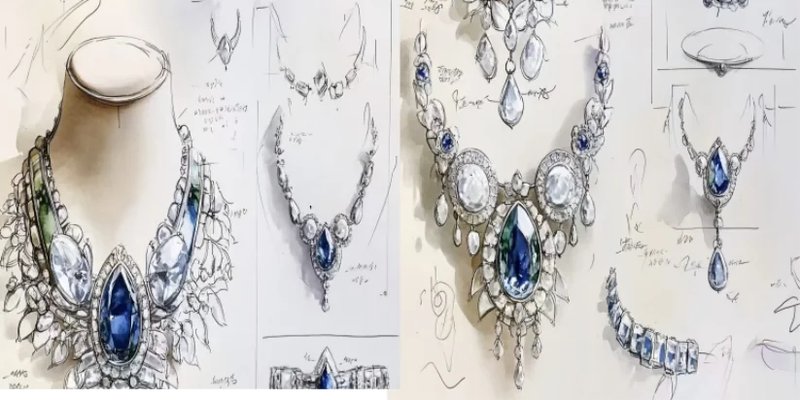
In the race to produce exquisite jewelry, traditional methods sometimes stumble over unforeseen hurdles. While age-old techniques have their charm, they often fall short in addressing modern demands of sustainability and precision. Consider the reliance on manual labor—while it enables personalized artistry, it fails to accommodate large-scale production efficiently. Furthermore, quality control can be inconsistent, leaving room for variance in jewelry clarity and durability. Let’s face it, achieving uniform perfection isn’t as simple as it seems when traditional tools, such as hand-engraving machines and classic alloys, hold sway over the craft.
The Future Unveiled: Charting a New Course
What’s Next in Jewelry Supplies?
In the quest for innovation, jewelry manufacturing is embracing new principles by integrating cutting-edge technology with time-honored skills. Take, for instance, advanced digital modeling techniques that enable precise design renders—reducing errors and enhancing creativity. Modern power converters are now pivotal in ensuring consistent power supply for intricate machinery, advancing both efficiency and product quality.
As manufacturers incorporate these tools, the horizon comes alive with possibilities. Imagine jewelry crafted with the precision of 3D printing combined with the elegance of hand-sculpted designs. This marriage of technology and artistry is reshaping not just products, but the very landscape of jewelry supplies. It’s incredible how quickly these changes can elevate standards (and customer satisfaction)—yet it remains clear that innovation must go hand in hand with sustainability to truly succeed.
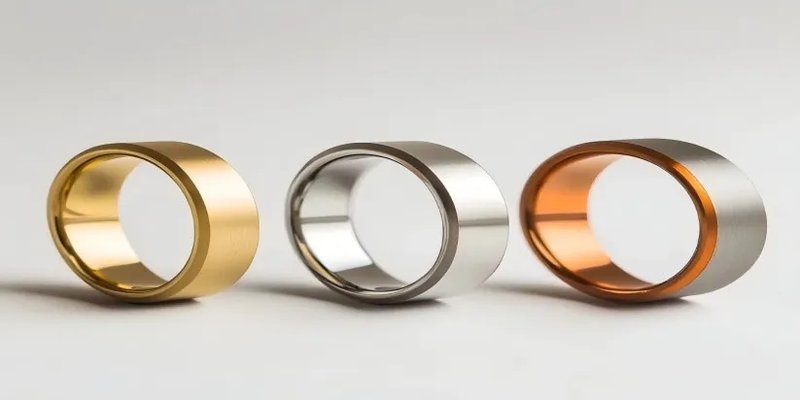
Ultimately, the lessons learned highlight the importance of embracing technology without losing sight of traditional values. To master the art of jewelry manufacturing, one must evaluate solutions based on precision advancements, sustainability metrics, and how seamlessly innovation integrates with classic craftsmanship. Perhaps then, we’ll see the industry set its sparkle in a new era—a journey ardently chronicled by brands like Star Harvest.
No Responses