Long vertical wall art is one of the most effective ways to transform a room without making major changes to your furniture or décor. Whether you live in a compact apartment or a spacious home, the right artwork can make your walls feel more balanced, elegant, and visually appealing.
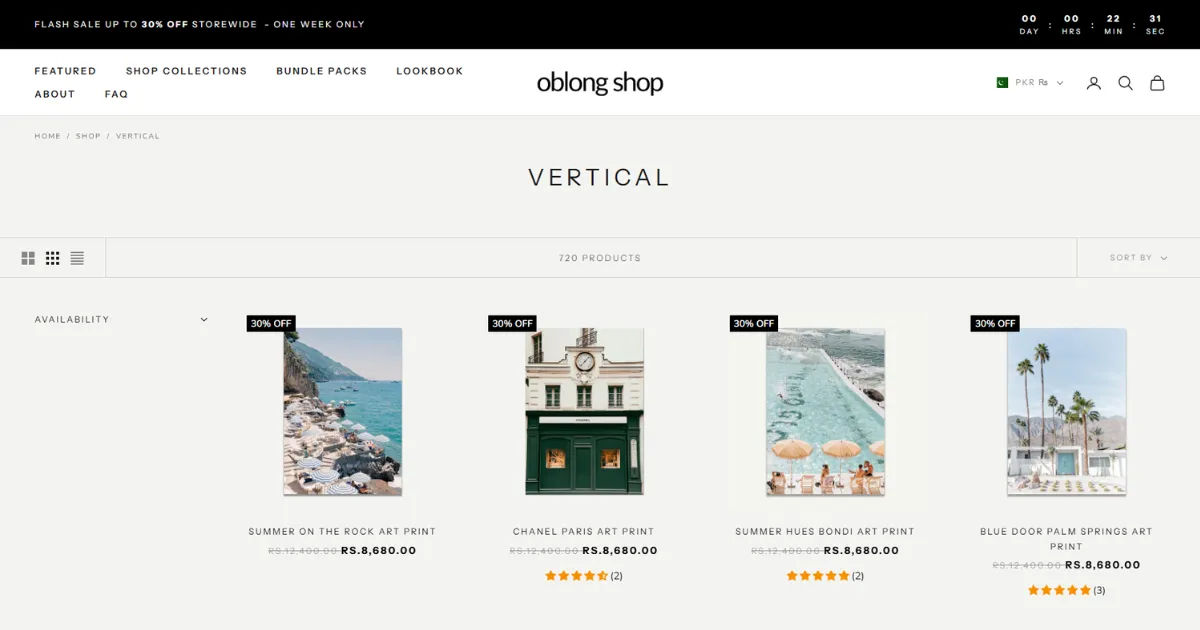
Because of its tall and narrow shape, long vertical wall art naturally draws the eye upward, creating the illusion of higher ceilings while adding personality to otherwise empty spaces.Many homeowners struggle with decorating tall walls, narrow spaces, or awkward corners. Large horizontal artwork often feels too wide, while small pieces can appear lost on expansive walls.
This is where long vertical wall art becomes an ideal solution. It fills vertical space beautifully without overwhelming the room.In this comprehensive guide, you'll learn how to style long vertical wall art in every room of your home. From choosing the right size and placement to matching colors, furniture, lighting, and decorating styles, you'll discover practical ideas that make your walls look professionally designed.
Why Long Vertical Wall Art Is So Popular
Interior designers often recommend vertical artwork because it creates movement within a room. Instead of making a wall appear wider, it encourages viewers to look upward, giving the impression of greater height.
Some of the biggest advantages include:
-
Makes ceilings appear taller
-
Enhances narrow spaces
-
Adds elegance and sophistication
-
Creates a strong focal point
-
Fits walls where horizontal art doesn't work
-
Complements modern and traditional interiors
Unlike oversized gallery walls that require multiple frames, one carefully selected piece can completely change the atmosphere of a room.
Choosing the Right Size
Before hanging artwork, measure both the wall and nearby furniture.
A few general guidelines include:
Above Furniture
When placing long vertical wall art above furniture, the artwork should occupy roughly two-thirds of the furniture's width.
Examples include:
-
Above sofas
-
Above console tables
-
Above sideboards
-
Above beds
-
Above fireplaces
This creates visual balance without making the wall appear crowded.
Empty Walls
If decorating an empty wall, leave breathing room around the artwork.
Avoid choosing a piece that nearly touches the ceiling or floor. Instead, maintain several inches of empty wall space to allow the artwork to stand out.
Consider the Room's Height
One reason designers love long vertical wall art is its ability to enhance ceiling height.
Standard Ceilings
In homes with standard 8-foot ceilings, medium-height vertical artwork works beautifully.
Tall Ceilings
Homes with vaulted ceilings benefit from oversized artwork that fills the extra wall space.
Large pieces prevent tall walls from feeling empty or unfinished.
Small Apartments
Even compact homes benefit from vertical pieces because they make rooms feel larger instead of cluttered.
Best Rooms for Long Vertical Wall Art
Living Room
The living room is one of the best places for long vertical wall art.
Popular locations include:
-
Behind the sofa
-
Beside a fireplace
-
Next to built-in shelves
-
Between windows
-
On accent walls
Large abstract paintings work especially well in modern living rooms.
Bedroom
Bedrooms benefit from calming artwork.
Place vertical pieces:
-
Above nightstands
-
Beside the bed
-
Opposite the bed
-
Near dressers
Nature-inspired artwork often creates a peaceful atmosphere.
Dining Room
Dining rooms frequently have unused wall space.
A tall artwork can:
-
Add elegance
-
Encourage conversation
-
Complete the dining area's design
-
Make formal dining rooms feel luxurious
Hallways
Long hallways often appear boring because of empty walls.
Vertical artwork breaks up the length of the hallway while creating visual interest.
Spacing multiple pieces evenly creates a gallery-like appearance.
Entryways
First impressions matter.
Adding long vertical wall art near your front entrance immediately welcomes guests while establishing your decorating style.
Staircases
Staircase walls are naturally tall.
Vertical artwork complements their shape perfectly.
Install pieces that follow the upward direction of the stairs for maximum visual impact.
Matching Artwork with Interior Design Styles
Modern
Modern interiors often feature:
-
Abstract designs
-
Bold colors
-
Minimal frames
-
Geometric patterns
-
Clean lines
Simple compositions maintain a sleek appearance.
Minimalist
Minimalist homes focus on simplicity.
Choose artwork with:
-
Neutral colors
-
Plenty of white space
-
Thin frames
-
Simple subjects
Less visual clutter creates greater impact.
Farmhouse
Farmhouse interiors pair beautifully with:
-
Botanical prints
-
Rustic landscapes
-
Wooden frames
-
Vintage typography
-
Soft earth tones
Natural textures complete the look.
Scandinavian
Scandinavian spaces emphasize light and simplicity.
Ideal artwork includes:
-
Black-and-white photography
-
Minimal line drawings
-
Soft landscapes
-
Neutral palettes
Industrial
Industrial interiors combine metal, concrete, and exposed brick.
Good artwork choices include:
-
Urban photography
-
Architectural sketches
-
Black metal frames
-
Monochrome artwork
Choosing Colors Carefully
Color has a major influence on the overall appearance of your room.
Neutral Artwork
Neutral tones work almost anywhere.
Examples include:
-
Beige
-
Gray
-
White
-
Black
-
Cream
These colors remain timeless.
Bold Artwork
Bright artwork becomes an immediate focal point.
Popular colors include:
-
Navy blue
-
Emerald green
-
Deep red
-
Mustard yellow
-
Burnt orange
Use bold colors carefully so they don't overwhelm the room.
Matching Existing Décor
Instead of matching every color exactly, repeat one or two accent colors already present in:
-
Rugs
-
Throw pillows
-
Curtains
-
Furniture
-
Decorative accessories
This creates visual harmony.
Selecting the Right Frame
Frames dramatically influence the final appearance.
Black Frames
Perfect for:
-
Modern interiors
-
Industrial spaces
-
Contemporary homes
Wood Frames
Ideal for:
-
Farmhouse
-
Rustic
-
Coastal
-
Traditional interiors
Gold Frames
Gold adds elegance and warmth.
These frames complement:
-
Traditional rooms
-
Luxury interiors
-
Vintage décor
Frameless Canvas
Canvas artwork creates a clean, gallery-inspired appearance.
It works especially well in minimalist spaces.
Hanging Height Matters
Many people hang artwork too high.
A general rule is:
The center of the artwork should sit approximately at eye level.
When hanging above furniture, leave about 6–10 inches between the furniture and the bottom of the artwork.
This creates proper visual connection.
Styling Around Furniture
Above a Console Table
A console table paired with long vertical wall art creates an elegant entrance.
Decorate the table with:
-
Lamps
-
Plants
-
Decorative books
-
Sculptures
Avoid overcrowding.
Beside a Sofa
Instead of placing artwork only above the sofa, try placing tall artwork beside it.
This balances the room while creating additional height.
Near Bookshelves
Vertical artwork softens the appearance of large shelving units.
It also prevents the room from looking too boxy.
Pairing with Plants
Plants naturally complement artwork.
Good options include:
-
Snake plants
-
Olive trees
-
Fiddle leaf figs
-
Bamboo palms
-
Monstera plants
The combination of greenery and artwork creates warmth.
Using Lighting
Proper lighting highlights artwork beautifully.
Popular options include:
Picture Lights
Mounted directly above artwork.
Wall Sconces
Provide decorative lighting.
Track Lighting
Ideal for modern homes.
Natural Light
Avoid placing valuable artwork in direct sunlight to prevent fading.
Creating Balance
Balance is one of the most important design principles.
Avoid placing all tall décor on one side of the room.
Instead, distribute visual weight evenly through:
-
Furniture
-
Lighting
-
Artwork
-
Plants
-
Decorative objects
Balanced rooms naturally feel more comfortable.
Decorating Narrow Walls
Many homes contain awkward narrow spaces.
Examples include:
-
Between windows
-
Beside doors
-
Between cabinets
-
Beside fireplaces
These are perfect locations for long vertical wall art because its proportions fit naturally.
Using Multiple Pieces
Instead of one oversized canvas, consider arranging two or three matching vertical pieces.
Maintain equal spacing between each frame.
This creates rhythm while preserving a clean appearance.
Seasonal Styling
Your artwork can remain permanent while surrounding décor changes.
For example:
Spring:
-
Fresh flowers
-
Light-colored pillows
Summer:
-
Coastal accessories
-
Green plants
Autumn:
-
Warm throws
-
Earth-toned décor
Winter:
-
Candles
-
Cozy textures
This keeps the room feeling fresh throughout the year.
Common Styling Mistakes
Avoid these common errors:
Hanging Too High
Artwork disconnected from furniture looks awkward.
Choosing the Wrong Size
Small artwork disappears on large walls.
Oversized pieces overwhelm compact spaces.
Ignoring Color Harmony
Artwork should complement—not compete with—the room.
Too Many Decorations
Leave enough negative space around the artwork.
Poor Lighting
Without adequate lighting, even beautiful artwork loses its impact.
Professional Designer Tips
Interior designers often recommend the following:
-
Measure before purchasing.
-
Use painter's tape to test placement.
-
Consider the room from multiple angles.
-
Match artwork to your lifestyle.
-
Invest in quality framing.
-
Mix textures for visual depth.
-
Keep surrounding décor simple.
-
Allow the artwork to become the focal point.
These small details create a polished, professionally designed appearance.
Conclusion
Styling long vertical wall art is about much more than simply hanging a picture on a wall. The right piece can completely transform a room by adding height, elegance, balance, and personality. Whether you're decorating a cozy apartment, a spacious family home, or a professional office, thoughtfully selected vertical artwork helps define your style while making every space feel more intentional.
The most successful designs begin with understanding scale, proportion, and placement. Choosing artwork that fits your wall, complements your furniture, and reflects your personal taste ensures a timeless result. Pairing your artwork with suitable lighting, coordinated colors, tasteful accessories, and balanced décor further enhances its visual impact.
Remember that every room is unique. Experiment with placement, frame styles, and surrounding décor until the composition feels balanced and inviting. Don't be afraid to let long vertical wall art become the centerpiece of your space. When styled correctly, it creates lasting visual interest and elevates the entire room with minimal effort.
No Responses