Oil and gas simulation has moved from an exotic training aid to a standard component of drilling education, yet for training centers approaching it for the first time, the practical questions remain numerous. How realistic is the equipment, what does a full system include, how does it support certification, and what does it really cost to own? This article answers the most common questions about oil and gas simulation with a focus on what a training center actually needs to know before making a purchase decision.
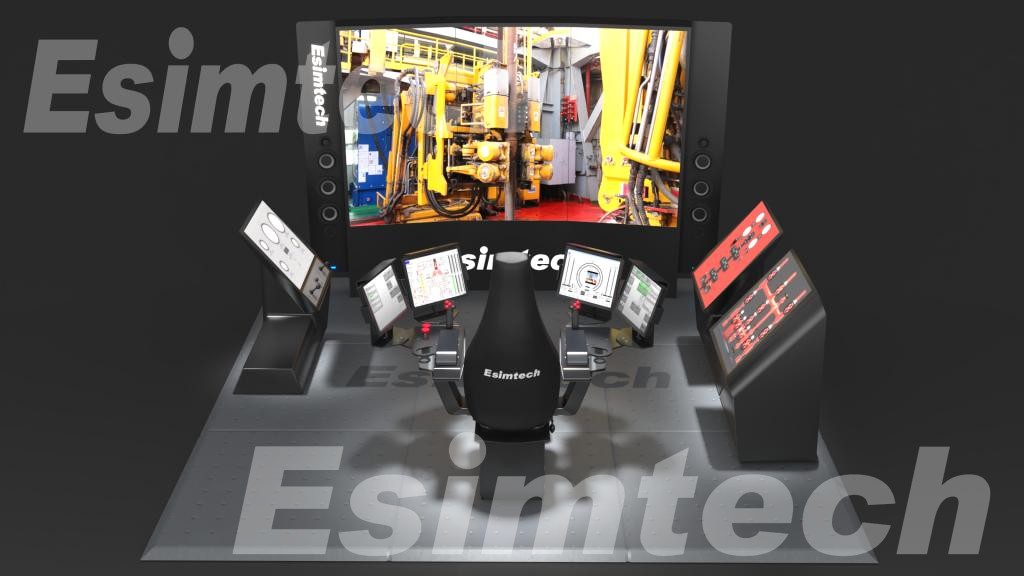
What Oil and Gas Simulation Actually Covers
Q: What can trainees learn with oil and gas simulation systems
A: Modern oil and gas simulation systems cover the full training chain: drilling operations, well control and blowout prevention procedures, and downhole operations such as workover and intervention. Trainees practice everything from routine drilling parameters to emergency responses, and instructors can introduce failures and changing well conditions that would be far too dangerous to rehearse on a live well.
Q: How realistic is the simulation
A: Modern systems model the physics of the drilling process in real time. The driller’s console, pump behavior, choke manifold, and wellbore response all react to the trainee’s actions, and the debriefing system records every decision. Realism matters because the goal is muscle memory: a trainee who has shut in a well a hundred times in simulation will act correctly the first time it matters on a real rig.
Deployment and Configuration Questions
Q: What does a typical laboratory include
A: A typical installation combines simulator hardware, the simulation software and scenario library, an instructor station, and the documentation and training that make it teachable. Configurations range from compact well control trainers to full drilling simulator laboratories, and most oil and gas simulation suppliers, including Esimtech, help customers size the system to their courses and budget rather than selling a one-size-fits-all package.
Q: How long does deployment take
A: For a standard configuration, installation and acceptance typically take weeks rather than months, with instructor training delivered on site. The schedule depends mostly on site preparation and instructor availability, which is why early planning with the supplier produces the smoothest timelines and the least disruption to the academic calendar.
Certification and Standards Questions
Q: Can simulation hours count toward certification
A: In many jurisdictions and industry programs, yes. Well control simulation is a recognized component of IADC- and IWCF-style training pathways, and many operators now mandate simulator-based drills for their crews. Training centers should confirm the specific recognition with their accrediting bodies, but the trend is clearly toward simulation-heavy curricula, and scenario libraries are built with those requirements in mind.
Q: Do the systems meet international quality standards
A: Reputable manufacturers build to internationally recognized quality and safety standards and provide the documentation needed for international procurement and import. Buyers should always request compliance documentation during evaluation, and reputable suppliers provide it as a matter of course, including the technical files that smooth customs clearance and on-site acceptance.
Cost and Procurement Questions
Q: What is the total cost of ownership
A: Beyond the purchase price, total cost includes installation, instructor training, maintenance, software updates, and scenario library evolution. The most cost-effective approach is usually a complete package from one supplier, because mixing vendors multiplies integration effort and support contracts. The long-run economics favor systems that stay current through software updates rather than requiring hardware replacement every few years, which is why expandable platforms dominate modern procurement decisions.
Q: How should we choose a supplier
A: Compare the whole package: breadth of the simulator range, curriculum and scenario support, instructor training, references from similar institutions, and after-sales responsiveness. The oil and gas simulation systems offered by manufacturers with a full product line tend to fit training centers better than point products, because one supplier can cover the entire curriculum and grow with the institution over successive budget cycles.
The institutions that get the most from simulation treat it as a curriculum project, not a hardware purchase. They involve instructors in the selection, plan scenario development before installation, and budget for ongoing training and updates. Approached that way, oil and gas simulation becomes one of the highest-return investments a training center can make, and the questions above are the right place to start the conversation with any supplier before a single specification is signed.
No Responses