Water damage is one of the most common problems that affects homes and commercial buildings. Even a small leak can slowly weaken walls, destroy paint, damage insulation, and create mold growth.
This is why Water intrusion repairs are so important for property owners. These repairs help stop moisture from entering the structure and protect walls from long-term damage.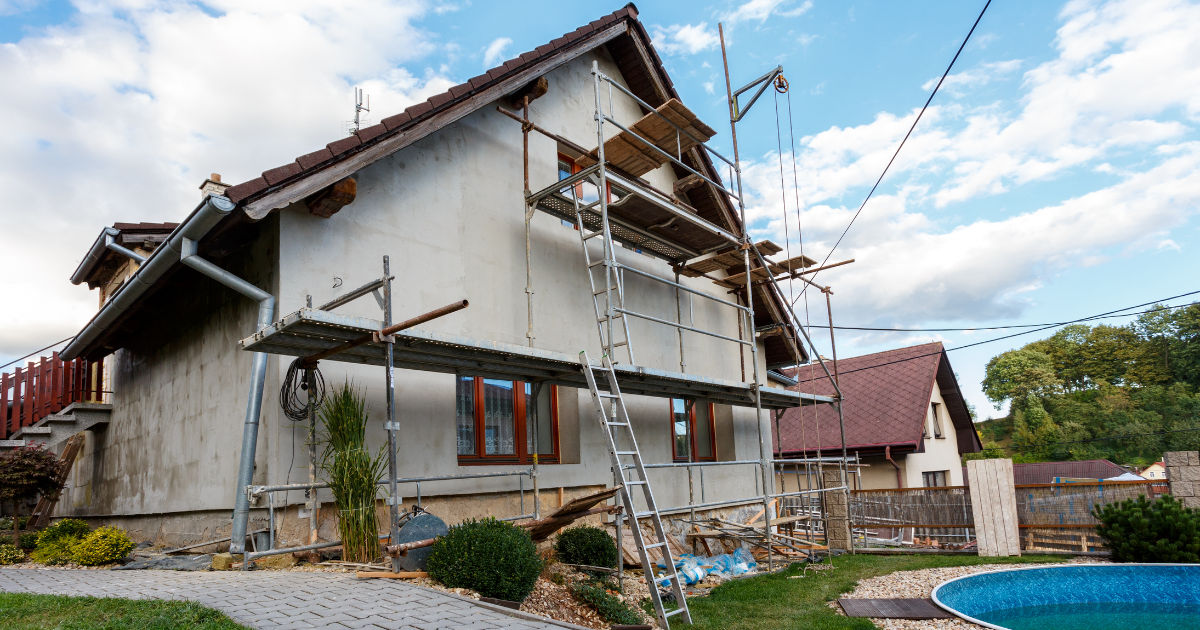
Many people ignore small signs of water intrusion because they believe the problem is minor. However, moisture can spread behind walls and floors without being visible.
Over time, the damage becomes expensive and dangerous. Proper Water intrusion repairs not only solve the visible issue but also protect the building’s structure, indoor air quality, and overall value.
This comprehensive guide explains how water enters walls, why moisture is dangerous, and how professional Water intrusion repairs help protect homes and buildings for the long term.
Water Intrusion
Water intrusion happens when unwanted moisture enters a building through weak or damaged areas. This moisture may come from rain, plumbing leaks, roof damage, foundation cracks, or poor drainage systems.
Walls are especially vulnerable because they constantly face weather exposure. If the building materials fail to block moisture, water begins entering the wall system.
Common entry points include:
- Cracked siding
- Damaged roofing
- Broken seals around windows
- Leaking pipes
- Poor waterproofing
- Foundation cracks
- Blocked gutters
Without quick Water intrusion repairs, moisture can spread throughout the structure and weaken the walls over time.
Why Walls Need Protection From Moisture
Walls are designed to provide support, insulation, and protection. When water enters them, these functions begin to fail.
Moisture can affect several layers inside the wall system, including:
- Drywall
- Wooden framing
- Insulation
- Paint
- Vapor barriers
- Exterior siding
Professional Water intrusion repairs help stop water before it destroys these materials.
The Hidden Dangers of Water Intrusion
Water intrusion may seem harmless at first, but the effects can become severe if ignored.
Mold Growth
One of the biggest dangers is mold. Mold grows quickly in damp environments and spreads through walls, ceilings, and floors.
Mold can cause:
- Allergies
- Respiratory problems
- Bad odors
- Health complications
Effective Water intrusion repairs remove moisture sources and help prevent mold growth inside walls.
Structural Damage
Water weakens wooden framing and can even damage concrete and steel over time. Rotting wood loses strength and may eventually collapse.
Timely Water intrusion repairs protect the structural integrity of walls and prevent expensive rebuilding costs.
Insulation Failure
Wet insulation cannot properly regulate indoor temperature. This increases heating and cooling costs.
By performing Water intrusion repairs, property owners maintain energy efficiency and indoor comfort.
Paint and Surface Damage
Moisture causes bubbling paint, peeling wallpaper, and stained walls. These signs often indicate deeper hidden problems.
Professional Water intrusion repairs stop further deterioration and restore wall appearance.
Common Causes of Water Intrusion
Understanding the causes of moisture problems helps property owners prevent future damage.
Roof Leaks
Damaged roofing materials allow rainwater to enter walls through ceilings and upper framing areas.
Faulty Windows and Doors
Poor seals around windows and doors create openings where water can seep into walls during storms.
Plumbing Problems
Leaking pipes hidden inside walls are a major source of moisture damage.
Foundation Cracks
Water from the soil can enter through foundation cracks and travel upward into walls.
Poor Drainage
Improper drainage systems allow water to collect near the building, increasing intrusion risks.
Damaged Siding
Cracked or loose siding exposes wall systems to moisture.
Professional Water intrusion repairs identify these sources and stop further water penetration.
Early Signs of Water Intrusion in Walls
Recognizing early warning signs can prevent serious damage.
Water Stains
Brown or yellow stains on walls usually indicate moisture problems.
Peeling Paint
Paint that bubbles or peels often means water is trapped behind the surface.
Musty Smells
A damp odor inside the building may signal hidden mold or moisture.
Soft Drywall
Walls that feel soft or swollen may contain trapped water.
Mold Spots
Visible mold growth usually means excessive moisture is present.
Warped Surfaces
Moisture can cause wall materials to bend, warp, or crack.
Immediate Water intrusion repairs reduce the chance of severe wall damage.
How Water Intrusion Repairs Protect Walls
The main purpose of Water intrusion repairs is to stop moisture entry and restore the wall system.
These repairs protect walls in several important ways.
Stopping Moisture at the Source
The first step is identifying where water enters the building.
Repair professionals inspect:
- Roof systems
- Flashing
- Plumbing
- Windows
- Exterior siding
- Foundations
Once the source is found, Water intrusion repairs stop water before it spreads deeper into the walls.
Preventing Mold Development
Moisture trapped inside walls creates the perfect environment for mold.
Professional Water intrusion repairs include drying affected areas thoroughly. This reduces humidity and prevents fungal growth.
Many repair specialists also apply antimicrobial treatments to protect walls from future contamination.
Protecting Structural Components
Wood framing inside walls is highly vulnerable to water damage.
When moisture remains trapped, wood begins rotting and weakening. Structural damage may eventually affect the entire building.
Timely Water intrusion repairs preserve framing materials and maintain structural stability.
Preserving Insulation Performance
Dry insulation improves indoor comfort and lowers utility bills.
When insulation becomes wet, it loses effectiveness and may need replacement.
Professional Water intrusion repairs protect insulation from moisture exposure and help maintain energy efficiency.
Improving Indoor Air Quality
Excess moisture contributes to mold spores and poor air quality.
These airborne contaminants can trigger health problems, especially for children and older adults.
Proper Water intrusion repairs create a healthier indoor environment by eliminating hidden moisture sources.
Increasing Property Value
Visible water damage reduces a property's value and makes buyers cautious.
Well-maintained walls improve appearance and reassure potential buyers that the building is structurally sound.
Investing in Water intrusion repairs helps maintain property value and marketability.
The Water Intrusion Repair Process
Professional repair companies follow a step-by-step process to protect walls effectively.
Inspection and Moisture Detection
Technicians use moisture meters, thermal imaging cameras, and visual inspections to locate hidden water damage.
This step helps determine the full extent of the problem.
Source Identification
The next step involves finding how water entered the structure.
Professionals may inspect:
- Roofing
- Gutters
- Windows
- Plumbing systems
- Foundations
Water Removal
Standing water is removed using pumps and extraction equipment.
Drying and Dehumidification
Industrial fans and dehumidifiers dry the walls completely.
This step is critical because trapped moisture can continue damaging walls even after leaks stop.
Mold Prevention
Technicians clean and disinfect affected areas to reduce mold risks.
Repair and Restoration
Damaged drywall, insulation, wood, or siding is repaired or replaced.
Professional Water intrusion repairs restore the wall system to its original condition.
Importance of Waterproofing Walls
Waterproofing is one of the best ways to protect walls from future moisture damage.
Exterior Waterproofing
Exterior waterproofing creates a barrier that blocks water before it enters the building.
Methods include:
- Waterproof coatings
- Sealants
- Drainage systems
- Flashing installation
Interior Waterproofing
Interior systems help manage moisture that enters from foundations or basements.
These systems may include:
- Vapor barriers
- Interior drainage channels
- Sump pumps
Professional Water intrusion repairs often include waterproofing improvements for long-term protection.
How Weather Affects Wall Damage
Weather conditions play a major role in water intrusion problems.
Heavy Rain
Strong storms expose weak building areas and increase moisture penetration risks.
Humidity
High humidity can trap moisture inside walls and create condensation.
Snow and Ice
Melting snow may seep into cracks and expand during freezing temperatures.
Wind-Driven Rain
Powerful winds push water into tiny openings around windows and siding.
Regular inspections and Water intrusion repairs help buildings withstand changing weather conditions.
Why Delaying Repairs Is Dangerous
Many property owners postpone repairs because the damage seems minor.
Unfortunately, water damage worsens quickly.
Higher Repair Costs
Small leaks often become major restoration projects if ignored.
Increased Mold Growth
Mold spreads rapidly in damp walls.
Structural Weakness
Long-term moisture exposure weakens framing and support systems.
Electrical Risks
Water near wiring increases fire and shock hazards.
Prompt Water intrusion repairs help avoid these serious problems.
Residential Water Intrusion Problems
Homes frequently experience moisture issues due to aging materials and weather exposure.
Common residential problems include:
- Roof leaks
- Basement seepage
- Bathroom leaks
- Window seal failures
- Plumbing leaks
Professional Water intrusion repairs protect family homes from costly damage and unhealthy living conditions.
Commercial Building Water Intrusion
Commercial properties face unique challenges because of their size and complexity.
Moisture problems can affect:
- Office buildings
- Warehouses
- Retail centers
- Apartment complexes
Large-scale Water intrusion repairs help businesses avoid operational disruptions and protect valuable assets.
Materials Most Vulnerable to Water Damage
Certain building materials absorb water easily and require extra protection.
Drywall
Drywall quickly weakens when wet.
Wood
Wood absorbs moisture and becomes vulnerable to rot.
Insulation
Fiberglass insulation loses efficiency after water exposure.
Carpet and Flooring
Floor materials can trap moisture and develop mold.
Brick and Masonry
Even masonry can crack and absorb water over time.
Professional Water intrusion repairs help preserve these materials and extend their lifespan.
Benefits of Hiring Professionals
Some people attempt DIY solutions, but professional repairs provide better long-term protection.
Accurate Detection
Professionals identify hidden moisture that homeowners may overlook.
Proper Equipment
Repair specialists use advanced drying and detection tools.
Long-Term Solutions
Temporary fixes rarely solve the root problem.
Mold Prevention
Experts understand how to reduce contamination risks.
Structural Safety
Professional Water intrusion repairs ensure walls remain structurally secure.
Preventive Maintenance Tips
Preventive care reduces the likelihood of water intrusion.
Inspect Roofing Regularly
Check for damaged shingles and flashing.
Clean Gutters
Blocked gutters allow water to overflow near walls.
Seal Windows and Doors
Replace worn seals to block moisture.
Check Plumbing Systems
Inspect pipes for leaks and corrosion.
Improve Drainage
Ensure water flows away from the foundation.
Monitor Indoor Humidity
Use dehumidifiers in damp areas.
Preventive maintenance combined with regular Water intrusion repairs keeps walls safe and dry.
Modern Technologies Used in Water Intrusion Repairs
Repair professionals now use advanced technologies to improve results.
Thermal Imaging Cameras
These cameras detect hidden moisture behind walls.
Moisture Meters
Moisture meters measure water levels inside materials.
Industrial Dehumidifiers
Powerful drying systems remove trapped humidity.
Waterproof Membranes
Modern waterproof barriers improve moisture resistance.
Smart Leak Detection Systems
Some systems alert property owners when leaks occur.
Advanced Water intrusion repairs provide faster and more accurate solutions.
How Water Intrusion Affects Energy Efficiency
Wet walls reduce a building’s ability to maintain indoor temperatures.
Moisture causes:
- Heat loss
- Increased utility bills
- HVAC strain
- Reduced insulation performance
Professional Water intrusion repairs help maintain energy-efficient wall systems.
Environmental Benefits of Water Intrusion Repairs
Protecting walls from water damage also benefits the environment.
Reduced Material Waste
Timely repairs prevent major demolition projects.
Lower Energy Consumption
Dry insulation improves heating and cooling efficiency.
Mold Prevention
Healthier indoor environments reduce health-related problems.
Longer Building Lifespan
Well-maintained buildings require fewer resources over time.
Proper Water intrusion repairs support sustainable property maintenance.
Insurance and Water Damage
Some water damage may be covered by insurance, depending on the cause.
Insurance companies often require:
- Proof of maintenance
- Quick reporting
- Professional inspections
Delaying Water intrusion repairs may reduce insurance coverage eligibility.
Property owners should document damage and contact their insurance provider promptly.
Signs You Need Immediate Repairs
Certain warning signs indicate urgent attention is needed.
Active Leaks
Visible dripping water requires immediate action.
Large Mold Growth
Extensive mold can become a serious health hazard.
Sagging Walls or Ceilings
Structural weakening may lead to collapse.
Electrical Problems
Water near outlets or wiring creates safety risks.
Persistent Odors
Strong musty smells often signal hidden moisture damage.
Emergency Water intrusion repairs help prevent further destruction.
Choosing the Right Repair Company
Hiring the right professionals is essential for lasting results.
Experience
Choose companies with extensive water damage restoration experience.
Certifications
Certified technicians follow industry standards.
Moisture Detection Skills
Accurate inspections are critical.
Positive Reviews
Customer feedback provides insight into service quality.
Detailed Repair Plans
Reliable companies explain their repair process clearly.
Professional Water intrusion repairs should focus on both immediate fixes and long-term prevention.
Long-Term Protection Strategies
The best way to protect walls is combining repairs with prevention.
Routine Inspections
Regular inspections identify small problems early.
Waterproofing Upgrades
Improved barriers reduce future intrusion risks.
Drainage Improvements
Proper drainage keeps water away from foundations.
Fast Leak Repairs
Quick action minimizes damage.
Building Maintenance
Routine maintenance extends wall lifespan.
Consistent Water intrusion repairs and preventive strategies protect buildings for many years.
The Financial Impact of Water Damage
Ignoring moisture problems often leads to major expenses.
Potential costs include:
- Mold remediation
- Structural rebuilding
- Insulation replacement
- Flooring replacement
- Increased utility bills
Timely Water intrusion repairs are usually far less expensive than major reconstruction projects.
Health Risks Linked to Water Intrusion
Water damage affects more than just walls.
Damp environments can contribute to:
- Asthma symptoms
- Allergies
- Respiratory irritation
- Headaches
- Skin irritation
Children and older adults are especially sensitive to mold exposure.
Professional Water intrusion repairs help create safer indoor environments.
How Building Age Affects Water Intrusion
Older buildings are more vulnerable to moisture damage because materials weaken over time.
Common age-related problems include:
- Cracked foundations
- Worn roofing
- Deteriorated sealants
- Aging plumbing systems
Older properties benefit greatly from regular inspections and Water intrusion repairs.
Seasonal Maintenance Checklist
Property owners should inspect buildings throughout the year.
Spring
- Check for winter damage
- Inspect gutters
- Examine roofing
Summer
- Monitor humidity levels
- Inspect siding and windows
Fall
- Clean gutters
- Seal cracks before winter
Winter
- Watch for ice dams
- Check indoor condensation
Seasonal care reduces the need for major Water intrusion repairs.
Conclusion
Water damage is one of the most destructive threats to walls and building structures. Even small leaks can lead to mold growth, weakened framing, insulation damage, and expensive repairs if ignored. That is why professional Water intrusion repairs play such a critical role in protecting homes and commercial properties.
These repairs stop moisture at its source, dry affected materials, prevent mold growth, and restore damaged walls. They also improve indoor air quality, maintain energy efficiency, and preserve property value. Whether the problem comes from roofing issues, plumbing leaks, poor drainage, or foundation cracks, fast action is essential.
Property owners who invest in regular inspections, waterproofing, and timely Water intrusion repairs can avoid major structural problems and extend the life of their buildings. Protecting walls from moisture is not only about appearance—it is about safety, health, durability, and long-term financial savings.
No Responses