Design build Omaha is a modern construction approach that combines design and construction under one coordinated system. Instead of hiring separate architects and contractors and managing communication between them, the design-build method brings everything together into a single, streamlined process.
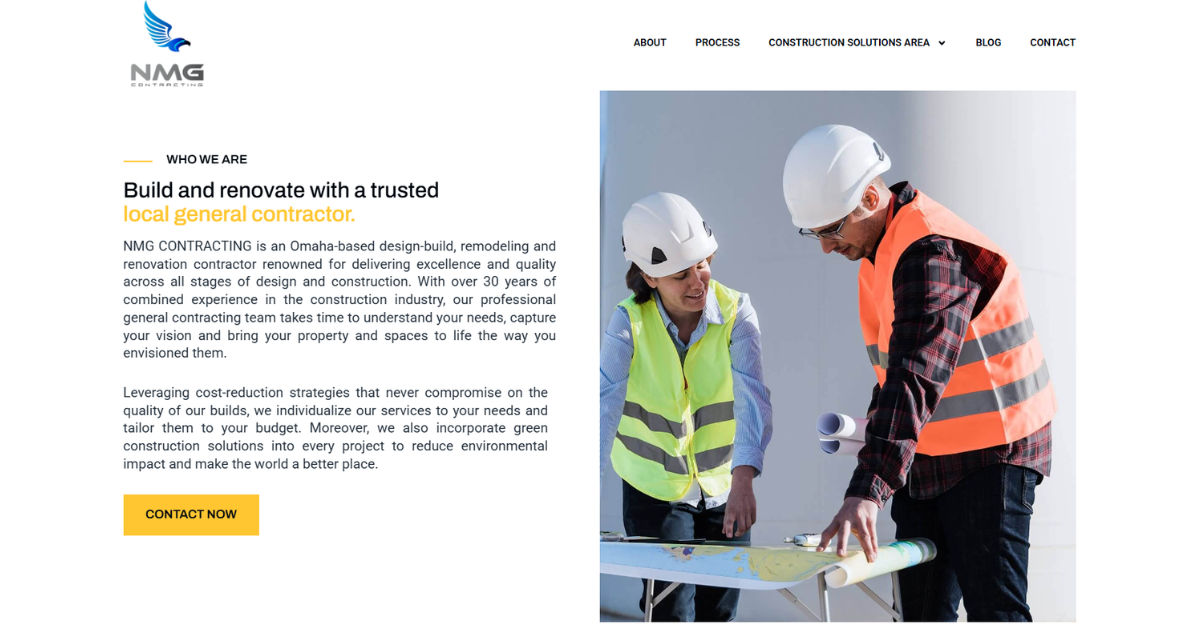 Design build Omaha projects are becoming more popular because they reduce confusion, shorten timelines, and improve cost control.
Whether it is a home renovation, commercial building, or large infrastructure project, this method helps owners move from idea to completion with fewer delays and clearer expectations.
In this guide, we will break down exactly how design build Omaha project construction flows step by step. You will learn how the process starts, how decisions are made, how teams collaborate, and how projects are delivered successfully.
What Is the Design-Build Method?
The design-build method is a construction delivery system where one team handles both the design and construction phases of a project. Instead of splitting responsibility between architects, engineers, and contractors, everything is managed under a single contract.
In design build Omaha projects, this means the owner works with one unified team from start to finish.
Key Features of Design-Build
- One contract for both design and construction
- Unified team collaboration
- Faster decision-making
- Reduced communication gaps
- Improved budget control
This system contrasts with traditional construction methods where design and construction are handled separately, often leading to delays or misunderstandings.
Why Design-Build Is Popular in Omaha
The construction industry in Omaha has been evolving rapidly, especially in residential development, commercial expansion, and industrial projects. The design build Omaha approach fits well because it aligns with the city’s growing need for efficient project delivery.
Benefits for Property Owners
- Faster project completion
- Lower risk of cost overruns
- Simplified communication
- Clear accountability
- Better alignment between design and budget
Benefits for Contractors and Designers
- Better teamwork from the beginning
- Fewer conflicts during construction
- Streamlined workflow
- More predictable project schedules
Because of these advantages, design build Omaha has become a preferred method for many developers and homeowners.
The Core Flow of a Design-Build Project
Understanding the flow of a design build Omaha project helps you see how each phase connects. The process is structured but flexible, allowing teams to adapt while keeping the project on track.
Step 1: Initial Consultation and Project Idea
Every project begins with an idea. This is where the owner meets the design-build team to discuss goals, budget, and expectations.
What Happens in This Stage
- Client explains project vision
- Budget range is discussed
- Site conditions are reviewed
- Feasibility is evaluated
- Timeline expectations are set
In design build Omaha, this stage is important because it sets the foundation for everything that follows. The team works to understand not just what the client wants, but what is realistically achievable.
Step 2: Concept Design Development
Once the idea is approved, the design team begins creating early concepts.
Activities in Concept Design
- Sketches and rough layouts
- Space planning
- Initial architectural concepts
- Material suggestions
- Budget alignment checks
In a design build Omaha project, designers and builders collaborate early, which helps ensure that ideas stay practical and within budget.
This reduces the risk of redesign later in the process.
Step 3: Preliminary Budget Estimation
Budgeting is one of the most important parts of the design-build process.
What Happens Here
- Cost estimates based on design concepts
- Material cost evaluation
- Labor cost projections
- Timeline impact assessment
In traditional construction, budgeting often comes after design is complete. However, in design build Omaha, budgeting is integrated early, helping prevent expensive surprises.
If the design exceeds the budget, adjustments are made immediately.
Step 4: Design Refinement and Engineering
Once the concept and budget align, the design becomes more detailed.
This Stage Includes
- Architectural drawings
- Structural engineering plans
- Electrical and plumbing layouts
- Code compliance checks
- Material finalization
In design build Omaha, engineers and contractors work side by side with designers. This ensures the design is not only visually appealing but also structurally and technically sound.
Step 5: Final Design Approval
Before construction begins, the final design must be approved by the client.
What Clients Review
- Final blueprints
- Material selections
- Updated budget
- Construction timeline
- Project scope details
This step ensures that everyone agrees on the final plan. In design build Omaha, this approval is smoother because the client has been involved throughout the process.
Step 6: Permits and Pre-Construction Planning
Before breaking ground, necessary permits must be obtained.
Activities in This Phase
- Building permit applications
- Zoning approvals
- Site inspections
- Safety planning
- Construction scheduling
The design-build team handles most of these tasks. In design build Omaha, this reduces delays caused by paperwork or regulatory issues.
Step 7: Construction Phase Begins
This is where the physical building process starts.
Key Construction Activities
- Site preparation
- Foundation work
- Framing
- Mechanical installations
- Electrical and plumbing systems
- Interior and exterior finishing
In design build Omaha, the construction team already understands the design deeply because they were involved from the beginning. This reduces mistakes and improves efficiency.
Step 8: Ongoing Communication and Project Monitoring
One of the strongest advantages of design-build is continuous communication.
During Construction
- Weekly progress updates
- Budget tracking
- Quality inspections
- Schedule adjustments
- Problem-solving meetings
In design build Omaha, communication is centralized. Instead of multiple parties giving conflicting updates, one unified team manages everything.
Step 9: Quality Control and Inspections
Quality assurance is critical during construction.
What Is Checked
- Structural integrity
- Material quality
- Code compliance
- Safety standards
- Finishing accuracy
Inspections happen at multiple stages. In design build Omaha, issues are resolved quickly because the same team that designed the project is also building it.
Step 10: Project Completion and Handover
Once construction is finished, the project is prepared for handover.
Final Steps
- Final walkthrough
- Punch list creation (small fixes)
- System testing (HVAC, electrical, plumbing)
- Documentation handover
- Client approval
In design build Omaha, this stage is often smoother because fewer errors accumulate during the process.
Advantages of Design-Build Workflow in Omaha Projects
The structured flow of design build Omaha projects offers several long-term advantages.
Faster Delivery
Because design and construction overlap, projects finish faster than traditional methods.
Cost Efficiency
Early budgeting and collaboration reduce unexpected costs.
Better Communication
One team means fewer misunderstandings.
Higher Quality Results
Continuous collaboration improves accuracy and design execution.
Challenges in Design-Build Projects
Although effective, the design-build system is not without challenges.
Potential Issues
- Requires experienced teams
- Early decisions are critical
- Limited flexibility after final approval
- Strong coordination is essential
However, in design build Omaha, these challenges are often minimized due to experienced local professionals and structured workflows.
Traditional Construction vs Design-Build in Omaha
Understanding the difference helps clarify why many prefer design-build.
Traditional Method
- Separate designer and contractor
- Multiple contracts
- Slower communication
- Higher risk of delays
Design-Build Method
- One integrated team
- Single contract
- Faster execution
- Better coordination
This is why design build Omaha is increasingly replacing traditional construction methods.
Types of Projects Using Design-Build in Omaha
The design-build approach is used in many project types.
Residential Projects
- Home construction
- Kitchen remodeling
- Home additions
- Basement finishing
Commercial Projects
- Office buildings
- Retail spaces
- Warehouses
- Restaurants
Industrial Projects
- Manufacturing facilities
- Storage units
- Infrastructure development
In all of these, design build Omaha improves coordination and efficiency.
Role of Collaboration in Design-Build Success
Collaboration is the backbone of the entire system.
Who Works Together
- Architects
- Engineers
- Contractors
- Project managers
- Clients
In design build Omaha, these groups do not work separately—they function as one integrated team.
This reduces friction and improves outcomes.
Technology in Modern Design-Build Projects
Modern tools have improved how design-build projects are executed.
Common Technologies
- 3D modeling software
- Building Information Modeling (BIM)
- Project management platforms
- Cost estimation software
In design build Omaha, these tools allow better visualization and planning before construction begins.
Sustainability in Design-Build Construction
Sustainability is becoming a major focus in Omaha construction.
Eco-Friendly Practices
- Energy-efficient materials
- Waste reduction strategies
- Smart building systems
- Sustainable site planning
Many design build Omaha projects now include green building practices as standard.
Future of Design-Build in Omaha
The future of construction in Omaha is moving strongly toward integrated systems.
Expected Trends
- Increased use of digital modeling
- More sustainable construction
- Faster project delivery expectations
- Greater client involvement in early stages
Design build Omaha will likely become the dominant construction method as efficiency demands increase.
Conclusion
The flow of a design build Omaha project is designed to simplify construction while improving quality and efficiency. From the first consultation to final handover, every stage is integrated into a single coordinated system.
Instead of separating design and construction, this approach brings all professionals together under one workflow. This reduces delays, improves communication, and ensures that projects stay aligned with budget and expectations.
As Omaha continues to grow, the demand for faster, more reliable construction methods will continue to increase. The design build Omaha approach provides a practical solution by combining planning, design, and execution into one seamless process.
Whether for residential homes, commercial spaces, or industrial facilities, this method delivers clear benefits in time savings, cost control, and project quality. It represents a modern evolution in how construction projects are planned and completed.
No Responses