Gutters play an important role in protecting homes and buildings from water damage. They collect rainwater from the roof and direct it away from the foundation, walls, windows, and landscaping. However, gutters cannot perform this job properly when they become clogged with leaves, dirt, twigs, and other debris. Understanding how frequently gutters need maintenance can help property owners avoid expensive repairs and maintain their homes. 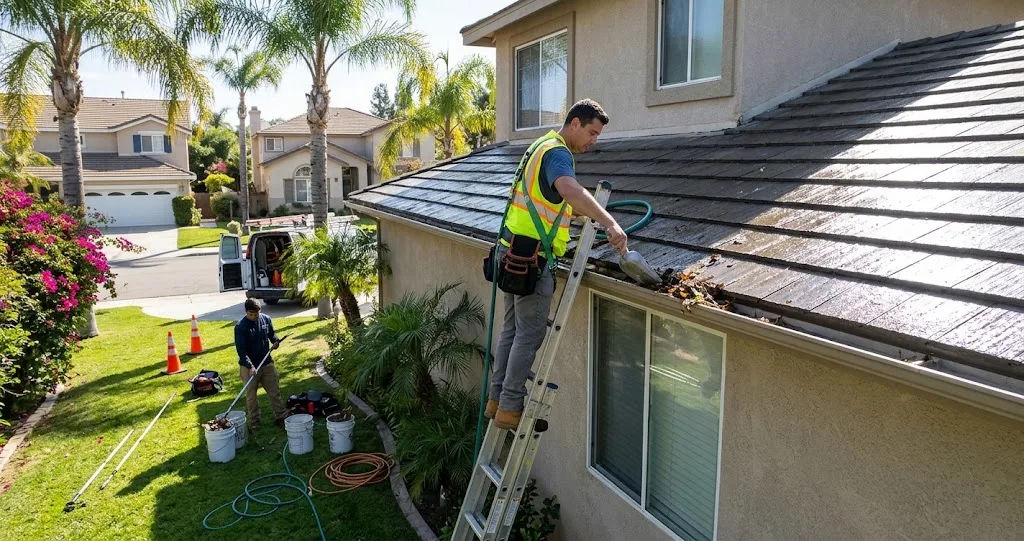 The ideal cleaning schedule depends on several factors, including the surrounding trees, roof design, local weather, and the amount of debris that collects throughout the year. Some properties require attention more frequently than others. Homeowners researching Gutter Cleaning near me los angeles should understand that there is no single schedule that works for every property. A home surrounded by large trees may need more frequent cleaning than a property with very little vegetation nearby.
Los Angeles has a Mediterranean climate with relatively dry summers and seasonal rainfall, which makes regular gutter maintenance particularly important. Leaves, dust, roof particles, and other materials can accumulate during dry months and create blockages when rain arrives. Establishing a suitable maintenance routine helps ensure that rainwater can flow freely through the drainage system.
How Often Should Gutters Be Cleaned in Los Angeles?
For most residential properties, gutters should generally be cleaned at least twice a year. Spring and fall are common maintenance periods because they help remove accumulated debris before seasonal weather changes.
However, the recommended frequency can change depending on the property's surroundings and condition.
Cleaning Twice a Year
Cleaning gutters twice annually is a reasonable starting point for many homes.
The first cleaning can take place in late spring. This removes debris that accumulated during winter and prepares the drainage system for the warmer months.
The second cleaning should generally happen during fall, preferably after most nearby trees have dropped their leaves. This helps prevent blockages before the rainy season.
Homeowners with relatively open surroundings and fewer trees may find this schedule sufficient.
Cleaning Three or Four Times a Year
Some properties need more frequent maintenance.
Homes located beneath large trees, especially those with pine trees, eucalyptus, or other vegetation that regularly sheds leaves and small branches, can collect debris quickly.
In these situations, cleaning every three or four months may be more appropriate.
Regular inspections also help identify small problems before they become expensive repairs.
Monthly Inspections During Heavy Debris Periods
Certain properties may benefit from monthly visual inspections during periods when trees shed significant amounts of leaves.
This does not necessarily mean professional cleaning is required every month.
Instead, inspections help homeowners identify developing blockages, overflowing gutters, and visible damage.
Factors That Determine Gutter Cleaning Frequency
Every property has different drainage requirements. Several factors influence how frequently gutters should be cleaned.
1. Trees Surrounding the Property
Trees are among the most common causes of clogged gutters.
Leaves, small branches, seeds, flowers, and other organic materials can enter the drainage system and gradually restrict water movement.
Properties surrounded by mature trees generally require more frequent cleaning than homes in areas with limited vegetation.
Pine trees can be particularly challenging because their needles can collect in narrow spaces and combine with other debris.
Homeowners should consider the number and type of trees surrounding their buildings when establishing a cleaning schedule.
2. Local Weather Conditions
Los Angeles experiences relatively dry summers and seasonal rainfall.
During dry periods, dust, roof particles, and airborne debris can settle inside gutters. When rain eventually arrives, these materials can combine with water and form compacted blockages.
Heavy rainfall can also reveal problems that were not obvious during dry weather.
A well-maintained drainage system helps direct water away from vulnerable areas of the property.
3. Roof Design and Size
Roof structure also influences gutter maintenance requirements.
Large roofs collect more rainwater and may direct greater quantities of leaves and debris into the gutter system.
Complex roof designs with multiple slopes, valleys, and corners can create additional collection points.
Properties with several roof sections may therefore require more frequent inspections.
4. Gutter Size and Installation
Gutter dimensions and installation quality affect drainage performance.
Smaller gutters may become blocked more quickly when exposed to large amounts of debris.
Incorrect slopes, loose connections, and poorly positioned downspouts can also create drainage problems.
Even recently cleaned gutters may experience difficulties if their installation is defective.
5. Nearby Construction and Landscaping
Construction projects can produce considerable dust and loose materials.
These particles may settle on rooftops and enter gutters over time.
Similarly, landscaping activities can introduce grass clippings, soil, leaves, and small branches into the drainage system.
Properties undergoing regular exterior maintenance should include gutter inspections in their overall maintenance routine.
Best Times of Year for Gutter Cleaning in Los Angeles
Choosing the right cleaning season can make gutter maintenance more effective.
Although cleaning requirements vary, several periods are particularly useful for homeowners.
Spring Cleaning
Spring is a suitable time to remove debris accumulated during the winter.
Rainwater, leaves, and small branches can remain inside gutters after seasonal storms.
A spring cleaning helps restore proper drainage and allows homeowners to identify damage caused by winter weather.
It is also a good opportunity to inspect gutter connections, brackets, and downspouts.
Summer Maintenance
Summer is generally dry in Los Angeles, but gutters can still collect dust, seeds, and other airborne materials.
Homeowners living near trees should consider checking their drainage systems during this period.
Removing accumulated debris before the next rainy season can reduce the possibility of sudden blockages.
Fall Cleaning
Fall is one of the most important periods for gutter maintenance.
Many trees shed leaves during this season, and these materials can quickly fill gutters.
Cleaning after significant leaf drop helps prepare the drainage system for winter rainfall.
It is particularly important for properties surrounded by mature trees.
Winter Inspections
Winter brings the main rainy season to Los Angeles.
Gutters should ideally be cleaned before significant seasonal rainfall begins.
During winter, homeowners should also watch for signs of overflow, leaks, and drainage problems.
If a problem develops, it should be addressed promptly rather than waiting until the next scheduled cleaning.
Warning Signs That Your Gutters Need Cleaning
A fixed cleaning schedule is useful, but homeowners should also recognize signs that their gutters need immediate attention.
Some blockages develop between scheduled maintenance visits.
Water Overflowing During Rain
Overflowing water is one of the clearest signs of a drainage problem.
When gutters cannot handle incoming rainwater, water may spill over their edges instead of flowing through the downspouts.
This can affect exterior walls, foundations, walkways, and landscaping.
A professional inspection can help determine whether debris or another drainage issue is responsible.
Plants Growing Inside Gutters
Seeds can settle inside gutters along with dirt and organic material.
When moisture is available, some seeds may begin growing.
Visible plant growth indicates that debris has accumulated and should be removed.
It can also suggest that the drainage system has not received sufficient maintenance.
Sagging or Loose Gutters
Excessive debris can add weight to gutter sections.
Over time, this may contribute to loose brackets, sagging sections, or separated connections.
However, installation problems and deteriorating materials can cause similar symptoms.
Cleaning and inspection help identify the underlying issue.
Water Stains on Exterior Walls
Dark marks or unusual moisture patterns on exterior walls may indicate that water is not draining correctly.
Blocked gutters can cause water to overflow and run down the building's exterior.
If these stains appear after rainfall, checking the gutter system is a sensible maintenance step.
Standing Water Inside Gutters
Water should generally move toward the downspouts rather than remain in large amounts inside the gutter channels.
Standing water may indicate debris accumulation, an incorrect slope, or another drainage problem.
It should be investigated because continued moisture can contribute to deterioration and attract insects.
Why Regular Gutter Cleaning Is Important
Gutter cleaning is not simply an appearance-related maintenance task.
It protects several important parts of a property.
Prevents Water Damage
The primary purpose of gutters is to move rainwater away from the building.
When gutters become clogged, water may overflow and reach areas that are not designed to handle continuous moisture.
Regular cleaning helps maintain proper drainage and reduces the risk of water-related damage.
Protects the Foundation
Water collecting near a building's foundation can create long-term problems.
Repeated exposure to excess moisture may contribute to soil erosion, cracks, and drainage concerns.
Clean gutters help direct rainwater toward appropriate drainage areas.
Reduces Roof Problems
Debris trapped in gutters can hold moisture against nearby roofing materials.
Although roof problems have several possible causes, poor drainage can contribute to deterioration around roof edges and fascia boards.
Routine maintenance helps keep these areas clear.
Prevents Pest Activity
Organic debris and standing water can create attractive conditions for certain insects and pests.
Mosquitoes, ants, and other unwanted organisms may become more common around poorly maintained drainage areas.
Keeping gutters clear helps reduce these conditions.
Extends Gutter Lifespan
Gutters are exposed to sunlight, moisture, temperature changes, and outdoor debris.
When heavy materials remain inside them, the additional weight can place pressure on brackets and joints.
Regular cleaning and inspections help identify maintenance issues before they lead to larger problems.
Professional Gutter Cleaning vs. DIY Cleaning
Homeowners sometimes choose to clean gutters themselves, while others prefer professional services.
Both approaches have advantages, but safety and property conditions should guide the decision.
Advantages of Professional Cleaning
Professional cleaners have experience working with different gutter systems and identifying common drainage problems.
They can remove accumulated debris, inspect downspouts, and check for visible damage.
Professional services may be particularly useful for:
-
Multi-story homes.
-
Properties with steep roofs.
-
Buildings with difficult roof access.
-
Gutters surrounded by mature trees.
-
Systems with recurring drainage problems.
When researching Gutter Cleaning near me los angeles, homeowners should look for providers with appropriate insurance, trained workers, and experience handling residential properties.
When DIY Cleaning May Be Suitable
Some single-story homes have accessible gutter systems that can be inspected safely from ground level or suitable working areas.
Homeowners can monitor visible debris and arrange maintenance when necessary.
However, climbing ladders or accessing roofs introduces significant fall risks.
Anyone who cannot safely reach the gutters should avoid attempting the work independently.
Professional assistance is a sensible choice when access is difficult or the property has multiple levels.
How Long Does Professional Gutter Cleaning Take?
The time required depends on the property's size, gutter condition, and amount of accumulated debris.
A small home with relatively clear gutters may require less time than a large property with several roof sections.
Other factors include:
-
Number of gutter sections.
-
Height of the building.
-
Accessibility of the drainage system.
-
Amount of leaves and dirt.
-
Condition of downspouts.
-
Presence of gutter guards.
A professional provider can usually estimate the expected completion time after reviewing the property.
Homeowners should also ask whether the service includes downspout inspection and debris removal.
Do Gutter Guards Reduce Cleaning Frequency?
Gutter guards are designed to limit the amount of debris entering drainage channels.
They may reduce the accumulation of large leaves, branches, and other materials.
However, gutter guards do not eliminate maintenance requirements.
Small particles, seeds, roof granules, and dirt may still collect on top of the guards or enter the system.
Benefits of Gutter Guards
Gutter guards can offer several advantages:
-
Reduce the amount of large debris entering gutters.
-
Help maintain water movement.
-
Limit the frequency of major cleaning.
-
Reduce the accumulation of leaves in some systems.
-
Provide additional protection for certain gutter designs.
Their effectiveness depends on the product, installation quality, roof design, and surrounding vegetation.
Why Inspections Are Still Necessary
Even protected gutters need regular inspections.
Debris can accumulate on guard surfaces, and downspouts may still develop blockages.
Homeowners should check the entire drainage system at least twice annually, even when gutter guards are installed.
Professional cleaning may still be necessary when water flow becomes restricted.
How to Choose a Reliable Gutter Cleaning Service in Los Angeles
Selecting an experienced service provider helps ensure that the cleaning process is completed properly.
Not every company offers the same level of service, so homeowners should compare important details before making a decision.
Check Experience and Reputation
Look for companies with experience maintaining residential gutter systems.
Customer feedback can provide useful information about reliability, communication, and service quality.
Pay attention to reviews that mention punctuality, thorough cleaning, and professional conduct.
Confirm Insurance Coverage
Gutter cleaning can involve working at heights and accessing difficult areas.
Homeowners should ask whether the company carries appropriate liability insurance and workers' compensation coverage where applicable.
This helps protect both the property owner and the service provider.
Ask What the Service Includes
A professional cleaning service should clearly explain what is included.
Important services may include:
-
Removing leaves and accumulated debris.
-
Checking downspouts for blockages.
-
Inspecting visible gutter connections.
-
Identifying sagging or damaged sections.
-
Checking water flow where practical.
-
Removing collected debris from the property.
Understanding the service details helps prevent confusion about the work being performed.
Compare Estimates
Prices may vary depending on property size, accessibility, gutter condition, and cleaning requirements.
Requesting estimates from multiple providers can help homeowners understand the available options.
The lowest price does not always represent the best value.
Consider experience, insurance, service quality, and customer reviews when comparing companies.
Creating a Gutter Cleaning Maintenance Schedule
A consistent maintenance schedule makes it easier to protect the property throughout the year.
Instead of waiting until a blockage becomes visible, homeowners should plan inspections around seasonal conditions.
The following schedule provides a useful starting point for residential properties in Los Angeles.
|
Time of year |
Recommended maintenance |
|---|---|
|
March to April |
Inspect and clean after winter |
|
June to July |
Check for dust and accumulated debris |
|
September to October |
Inspect before the rainy season |
|
November to December |
Remove fallen leaves and check drainage |
|
During winter storms |
Watch for overflow and drainage problems |
Properties with heavy tree coverage may need additional inspections.
Homeowners should adjust the schedule according to the amount of debris collected and the condition of their drainage systems.
Common Gutter Cleaning Mistakes to Avoid
Even routine maintenance can become ineffective when important details are overlooked.
Avoiding common mistakes helps maintain a reliable drainage system.
Ignoring Downspouts
Cleaning the horizontal gutter sections without checking the downspouts leaves part of the drainage system uninspected.
A blocked downspout can prevent water from leaving the gutters.
Both components should be checked during maintenance.
Waiting Until Heavy Rainfall
Some homeowners only think about gutter cleaning after noticing overflowing water.
By that time, the blockage may already have affected other parts of the property.
Preventive cleaning before the rainy season is a better approach.
Forgetting About Gutter Connections
Gutters contain joints, brackets, and connecting sections that may loosen or deteriorate over time.
Simply removing leaves does not address these problems.
Regular inspections should include visible connections and supports.
Assuming Gutter Guards Eliminate Maintenance
Gutter guards reduce certain types of debris but cannot prevent every blockage.
Ignoring inspections because guards are installed can allow smaller problems to develop unnoticed.
Choosing Services Based Only on Price
An unusually inexpensive service may not include a complete inspection or downspout cleaning.
Homeowners should understand the work included before agreeing to a service.
Conclusion
Gutter cleaning is an essential part of maintaining a residential property in Los Angeles. Although most homes benefit from cleaning at least twice a year, the ideal frequency depends on surrounding trees, roof design, weather conditions, and the amount of debris entering the drainage system.
Properties surrounded by mature trees may require cleaning every three or four months, while homes with fewer nearby trees may need less frequent attention. Spring and fall are particularly useful maintenance periods because they help remove accumulated debris and prepare gutters for seasonal rainfall.
Homeowners should also recognize warning signs such as overflowing water, standing water, sagging gutters, visible plant growth, and exterior water stains. These problems indicate that the drainage system may need attention before the next scheduled cleaning.
Installing gutter guards can reduce certain types of debris, but regular inspections remain necessary. Professional cleaners can also help identify drainage problems, inspect downspouts, and maintain systems that are difficult or unsafe to access.
When considering Gutter Cleaning near me los angeles, property owners should focus on experience, insurance, service quality, and clear estimates rather than choosing a provider based only on price.
Ultimately, establishing a suitable maintenance schedule is one of the simplest ways to protect a property from avoidable water damage. Regular inspections and timely cleaning help maintain proper drainage, extend gutter lifespan, and keep the building in better condition throughout the year.
No Responses