An oily scalp is a common hair concern for people of different ages. It can make hair look greasy, feel heavy, and lose its natural volume shortly after washing. Some people notice that their roots become oily within a day, while others experience excess oil after exercising, spending time outdoors, or using unsuitable hair products.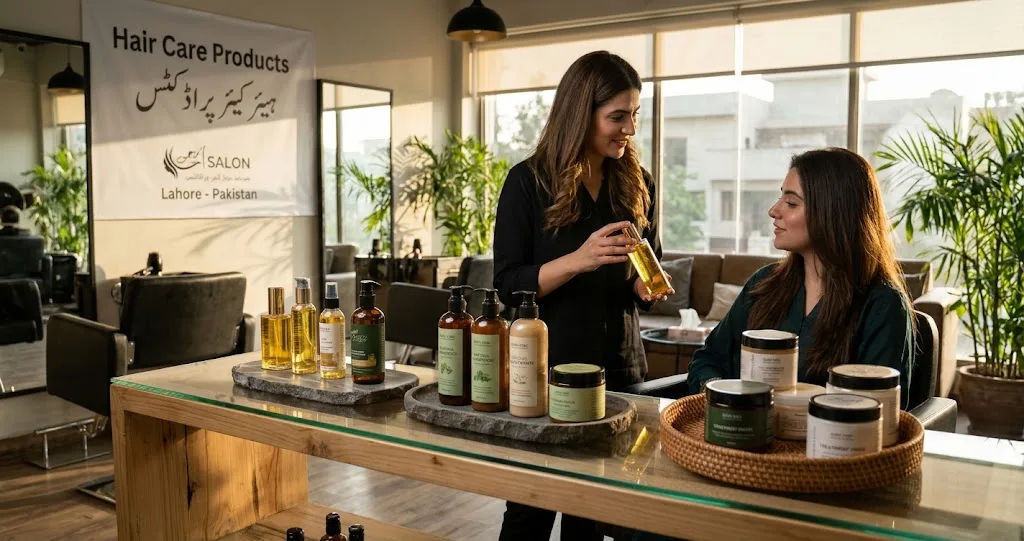
The main reason behind an oily scalp is the production of sebum, a natural oil released by sebaceous glands. Sebum helps protect the scalp and keeps hair from becoming excessively dry. However, when too much oil accumulates, hair may appear flat, sticky, or difficult to style.
Choosing the right shampoo, conditioner, and scalp treatment can make a significant difference. Pakistan's climate also plays a role because hot weather, humidity, sweat, and dust can contribute to the feeling of greasy hair. A suitable hair care routine should remove excess oil without stripping the scalp of its natural moisture.
For people looking to improve their daily routine, selecting hair care products pakistan shoppers can find for different scalp types is an important first step. The goal is to choose formulas that clean effectively, maintain scalp comfort, and prevent unnecessary product buildup. With the right combination of products and consistent habits, oily hair can become easier to manage.
Why Does the Scalp Become Oily?
Before selecting hair care products, it helps to understand why the scalp produces excess oil. Several factors can influence how quickly hair becomes greasy.
Natural Sebum Production
Sebum is essential for maintaining a healthy scalp. It forms a protective layer that helps reduce moisture loss and supports the natural condition of the hair.
However, some people naturally produce more sebum than others. Genetics, hormones, age, and individual scalp characteristics can influence oil production.
If your hair becomes oily soon after washing, you may have naturally oil-prone skin on your scalp. This does not necessarily mean that your scalp is unhealthy or that you need to wash it less frequently.
Hot Weather and Humidity
Pakistan experiences hot weather in many regions, particularly during the summer months. Heat and sweating can make the scalp feel greasy, especially when spending long periods outdoors.
Humidity can also affect how hair looks and feels. When sweat mixes with existing oil, the roots may become heavy and uncomfortable.
People living in warmer cities may benefit from lightweight products that cleanse effectively without leaving a thick residue.
Using Unsuitable Hair Products
Heavy conditioners, thick hair oils, rich masks, and styling creams can contribute to buildup when used excessively or applied directly to the roots.
Some products contain ingredients that leave a coating on the hair. Although this may help dry or damaged strands, it can make fine or oily hair look flat.
Choosing products according to your scalp type is more useful than purchasing products simply because they are popular.
Hormonal Changes and Lifestyle
Hormonal changes during adolescence and adulthood can influence oil production. Stress, certain medications, and changes in routine may also affect scalp condition.
Diet alone does not explain every case of oily hair. Instead of making unnecessary dietary restrictions, focus on a balanced lifestyle and an appropriate hair care routine.
If oiliness develops suddenly or occurs alongside significant itching, redness, or hair loss, consider consulting a dermatologist.
Best Types of Hair Care Products for an Oily Scalp
hair care products pakistan effective routine usually begins with a suitable shampoo, followed by a lightweight conditioner and occasional additional treatments when necessary.
1. Clarifying Shampoo
A clarifying shampoo helps remove excess oil, styling residue, and accumulated product buildup.
It can be useful if your hair feels coated or looks greasy despite regular washing. However, a strong clarifying formula is not necessarily the best choice for everyday use.
Some clarifying shampoos may leave the hair dry or irritate a sensitive scalp when used too frequently.
Choose a formula designed for oily hair, and follow the manufacturer's instructions. If your scalp feels tight or your hair becomes rough after washing, reduce how often you use it or switch to a gentler shampoo.
2. Gentle Daily-Use Shampoo
A gentle shampoo is often the foundation of an oily-scalp routine.
Look for a product that removes everyday oil and sweat without leaving your scalp uncomfortable. Mild cleansing formulas can be particularly helpful for people who need to wash their hair frequently.
You do not have to avoid washing simply because you have oily hair. If your scalp becomes greasy every day, daily washing may be reasonable, provided you use a suitable formula and your scalp tolerates it.
The right frequency depends on your hair texture, activity level, climate, and personal comfort.
3. Shampoo Containing Salicylic Acid
Salicylic acid is an ingredient used in some scalp-cleansing products. It helps loosen dead skin cells and can reduce the buildup of flakes and oil around the scalp.
It may be useful for people who experience oiliness alongside mild flaking.
However, salicylic acid can cause dryness or irritation in some individuals. Follow the product directions and avoid combining several strong scalp treatments without professional advice.
If your scalp is already irritated, a gentler product may be more appropriate.
4. Lightweight Conditioner
Conditioner is important even when your scalp is oily. It helps improve softness, reduce tangling, and make hair easier to manage.
The key is to select the right texture and apply it correctly.
Look for lightweight conditioners designed for fine hair or oily roots. Apply the product mainly to the middle lengths and ends rather than directly to the scalp.
This approach allows dry or damaged strands to receive conditioning without adding unnecessary residue to the roots.
5. Lightweight Leave-In Products
Leave-in conditioners and detangling sprays can help with frizz and dryness, particularly if your hair is long, coloured, or frequently exposed to heat styling.
Choose lightweight formulas and start with a small amount.
Avoid applying thick creams near the roots if your hair becomes greasy quickly. You may discover that your hair needs conditioning on the ends but very little additional product elsewhere.
6. Scalp Treatments for Specific Concerns
Some people experience oily hair alongside persistent dandruff, itching, or scalp irritation.
In these situations, a treatment shampoo may be more suitable than an ordinary oil-control shampoo. Depending on the cause, ingredients such as ketoconazole or other anti-dandruff agents may be recommended.
The appropriate product depends on the underlying condition. For example, dandruff can involve more than simple oil accumulation.
If symptoms persist, consult a dermatologist rather than repeatedly switching between products.
How to Choose Hair Care Products in Pakistan
Shopping for suitable products becomes easier when you understand your scalp needs and compare product labels carefully.
Check the Product Label
Start by looking for products specifically described as suitable for oily scalps, greasy roots, or fine hair.
These labels can help narrow your choices, but they are not guarantees of performance. The ingredient list, formulation, and your individual response matter more than the marketing description.
Look for products that cleanse effectively and do not leave your hair feeling coated.
If you have sensitive skin, consider fragrance-free or gentle formulas, especially if strongly scented products cause irritation.
Consider Your Local Climate
Weather conditions can influence your hair care needs.
During hot and humid months, you may prefer a lightweight shampoo and a conditioner that does not leave a heavy coating. After exercise or extended outdoor activity, washing away sweat may help you feel more comfortable.
In cooler or drier weather, the lengths and ends of your hair may need more conditioning even if the scalp remains oily.
Adjusting your routine according to the season can be more effective than using exactly the same products throughout the year.
Compare Ingredients Instead of Brands Alone
A higher price does not automatically mean a product will work better.
Compare the product's cleansing ingredients, conditioning agents, fragrance, and intended use. A reasonably priced shampoo may be perfectly suitable if it cleans your scalp without causing dryness or irritation.
When researching hair care products pakistan retailers offer, consider whether the formula matches your needs rather than relying only on advertising or packaging.
Read product instructions carefully and purchase from reputable sellers to reduce the risk of counterfeit or poorly stored products.
Consider Your Hair Texture
Scalp oiliness and hair dryness can occur at the same time.
Fine, straight hair often shows oil more quickly because sebum spreads along the hair shaft relatively easily. Thick, curly, or coily hair may have oily roots while the lengths remain dry.
If you have fine hair, lightweight shampoos and conditioners may help preserve volume.
If your hair is curly or textured, choose a cleanser that removes excess oil while allowing you to condition the lengths adequately.
The best routine treats the scalp and hair lengths according to their different needs.
Ingredients Worth Considering for Oily Hair
Understanding common ingredients helps you make informed choices.
Salicylic Acid
Salicylic acid can help loosen dead skin cells and scalp buildup. It may be useful in products intended for oily or flaky scalps.
Start carefully if you have sensitive skin, and stop using the product if significant irritation develops.
Zinc Compounds
Some shampoos contain zinc-based ingredients intended to address dandruff and related scalp concerns.
Their suitability depends on the specific ingredient and product formulation. Read the label to understand whether the shampoo is intended for ordinary cleansing or dandruff treatment.
Gentle Cleansing Agents
Cleansing agents remove oil, sweat, and dirt from the scalp.
Different formulas vary in strength and how they feel on the hair. A strong cleanser may work well for one person but leave another person's scalp dry.
If you wash frequently, a gentle formula may be a practical starting point.
Lightweight Conditioning Ingredients
Ingredients such as certain silicones and conditioning polymers can improve smoothness and reduce friction.
These ingredients are not automatically harmful to oily hair. Their effect depends on the formula, amount used, and how the product is applied.
If your hair becomes flat after conditioning, try using less product or applying it only to the ends.
Ingredients That Require Caution
Essential oils, strong fragrances, and certain exfoliating ingredients can irritate sensitive skin.
Natural ingredients are not always gentler than synthetic ones. For example, concentrated essential oils may cause irritation or allergic reactions.
Choose products based on their formulation and your scalp's response rather than assuming that natural or chemical-free marketing claims guarantee safety.
Building a Simple Routine for an Oily Scalp
A consistent routine is usually more helpful than using many products at once.
Step 1: Wash According to Your Needs
Wet your hair thoroughly with lukewarm water.
Apply a suitable amount of shampoo to the scalp and massage gently with your fingertips. Avoid scratching with your nails, as this may irritate the skin.
Focus on the roots, where oil and sweat accumulate. Let the shampoo rinse through the lengths rather than aggressively rubbing the ends.
If you have heavy product buildup, a second gentle wash may sometimes help, but it is not necessary every time.
Step 2: Rinse Thoroughly
Leftover shampoo or conditioner can make hair feel coated or uncomfortable.
Rinse carefully, especially around the hairline, behind the ears, and at the back of the head.
Use lukewarm water rather than very hot water, which may contribute to dryness or irritation.
Step 3: Condition the Lengths
Apply a small amount of lightweight conditioner to the middle lengths and ends.
Leave it on for the recommended time, then rinse thoroughly.
If your hair is very short or naturally oily throughout, you may need little conditioner. However, avoid assuming that every oily scalp requires completely eliminating conditioning products.
Step 4: Dry Gently
Use a clean towel to blot excess water instead of rubbing your hair aggressively.
If you use a hair dryer, select a comfortable temperature and avoid holding it too close to your scalp.
Allowing hair to dry properly can make styling easier and help prevent unnecessary friction.
Step 5: Limit Styling Product Buildup
Heavy styling creams, waxes, and oils can make roots appear greasy more quickly.
Use only the amount you need, and avoid layering several products on the scalp.
Wash out styling products according to their instructions rather than allowing residue to accumulate for several days.
Common Mistakes to Avoid
Even good products may disappoint if they are used incorrectly.
Washing Too Infrequently
Some people believe that washing less often will train the scalp to produce less oil.
There is little reason to assume that avoiding necessary washing will solve an oily scalp. Sebum production is influenced by several biological factors.
If your roots become greasy daily, washing daily with a suitable gentle shampoo may be appropriate.
Using Too Much Hair Oil
Hair oils can reduce friction and improve the appearance of dry lengths. However, applying generous amounts directly to an already oily scalp may make the hair feel heavier.
If you enjoy oiling your hair, consider applying a small amount to the lengths before washing instead of leaving thick oil on the scalp for long periods.
Stop if the practice worsens itching or irritation.
Overusing Dry Shampoo
Dry shampoo absorbs some of the oil that makes hair look greasy. It can be convenient between washes, especially when travelling.
However, it does not replace proper cleansing.
Frequent or excessive use may allow product residue to accumulate. Use it according to the label and wash your scalp regularly.
Scrubbing the Scalp Aggressively
Hard scrubbing does not guarantee better cleansing.
Aggressive brushing, scratching, and frequent use of abrasive scalp scrubs can irritate the skin.
Gentle fingertip massage is usually sufficient to distribute shampoo and remove everyday oil.
Changing Products Too Frequently
Trying several new products at the same time makes it difficult to identify what works.
Introduce one product at a time and observe how your scalp responds. Unless a product causes irritation, give your routine enough time to show whether it meets your needs.
Natural Approaches to Managing an Oily Scalp
Simple habits can support your hair care routine, although they do not replace appropriate treatment when a scalp condition is present.
Keep Brushes and Pillowcases Clean
Hairbrushes can collect oil, dust, loose hair, and styling residue.
Remove trapped hair regularly and clean your brush according to its material and manufacturer's instructions.
Changing pillowcases regularly can also help maintain general hair and skin hygiene.
Avoid Constantly Touching Your Hair
Frequent touching can transfer oils and styling residue from your hands to your hair.
Try to avoid repeatedly running your fingers through the roots, particularly when your hair becomes greasy quickly.
Maintain a Balanced Lifestyle
A balanced diet, adequate sleep, and stress management support general health.
However, no particular food or home remedy is guaranteed to stop an oily scalp. Avoid restrictive diets or unproven treatments based on exaggerated claims.
Be Careful With Home Remedies
Applying lemon juice, undiluted vinegar, baking soda, or concentrated essential oils directly to the scalp may cause irritation.
These ingredients are not necessary for an effective routine.
If you prefer home-based care, start with gentle cleansing, appropriate conditioning, clean tools, and products designed for scalp use.
How to Recognise When You Need Professional Advice
An oily scalp is often manageable with ordinary hair care. Nevertheless, persistent symptoms may indicate a condition that requires specific treatment.
Consult a dermatologist if you experience ongoing itching, significant redness, thick or persistent flakes, painful bumps, sores, or noticeable hair loss.
Yellowish or greasy scales may occur with seborrheic dermatitis, while other scalp conditions can produce similar symptoms. A healthcare professional can help distinguish between them.
Avoid repeatedly using medicated shampoos without understanding their instructions. Some treatments are intended for specific conditions and may cause irritation when used incorrectly.
Professional advice is particularly useful when a carefully chosen routine has not improved your symptoms.
Frequently Asked Questions
How often should I wash an oily scalp?
The appropriate frequency depends on how quickly oil accumulates. Some people benefit from daily washing, while others prefer washing every other day.
Use a shampoo that cleans effectively without causing discomfort, and adjust according to your needs.
Can conditioner make oily hair worse?
Heavy conditioner applied directly to the roots may leave some hair types looking flat or greasy. However, conditioner itself is not necessarily the problem.
Choose a lightweight formula and apply it mainly to the middle lengths and ends.
Is clarifying shampoo suitable for everyday use?
Not always. Clarifying shampoos vary in strength, and frequent use may dry or irritate some scalps.
Follow the product directions and use a gentler shampoo for regular cleansing if that suits your scalp better.
Should I stop using hair oil completely?
Not necessarily. You may still benefit from applying a small amount to dry hair lengths.
If oiling your scalp makes your hair greasy or worsens irritation, avoid applying oil directly to the scalp.
What is the best shampoo for oily hair in Pakistan?
There is no single best shampoo for everyone. Look for a suitable oil-control or gentle cleansing formula from a reputable seller.
Consider your hair texture, scalp sensitivity, budget, and whether you also experience dandruff or irritation.
Can oily hair still have dry ends?
Yes. Your scalp may produce plenty of sebum while the hair lengths remain dry because of heat styling, colouring, friction, or naturally textured hair.
Use a shampoo suited to your scalp and a conditioner suited to your lengths.
Conclusion
Managing an oily scalp does not require an expensive collection of shampoos, conditioners, and treatments. The most effective approach is to understand your scalp, select suitable products, and maintain a routine that removes excess oil without causing unnecessary dryness or irritation.
Start with a gentle shampoo that cleans your roots effectively. If you experience persistent buildup, consider an occasional clarifying product. For flakes or itching, select a treatment according to the underlying concern rather than assuming that every scalp problem is caused by excess oil alone.
When comparing hair care products pakistan shoppers can access, focus on ingredients, product quality, scalp compatibility, and reliable sellers. Choose lightweight conditioners when needed, apply them mainly to the lengths, and avoid excessive styling products that leave residue.
Your routine should also reflect your environment and hair texture. Hot weather, exercise, and humidity may make frequent washing useful, while curly or damaged hair may require additional conditioning on the ends.
Most importantly, pay attention to how your scalp responds. A product that works well for another person may not suit your hair, and more cleansing does not always mean better results. Introduce new products gradually, follow their instructions, and seek professional advice if persistent irritation, severe dandruff, or unusual hair loss develops.
With a thoughtful routine and appropriate product choices, you can keep oily roots feeling fresher, maintain healthy-looking lengths, and make everyday hair care simpler and more effective.
No Responses