If you have an old, damaged, unwanted, or non-running vehicle sitting on your property, car wreckers can provide a practical way to remove it and recover some value. Instead of leaving a vehicle unused for years, a professional wrecking service can assess it, arrange collection, dismantle useful components, recycle suitable materials, and dispose of remaining waste responsibly.
The process is usually simpler than many vehicle owners expect. You contact a wrecking company, provide information about your vehicle, receive an assessment or quote, agree on the service, and arrange a suitable collection time. After the vehicle reaches the facility, it may be inspected for reusable parts before being dismantled and processed.
Understanding how the service works can help you prepare your vehicle, compare offers, and avoid unnecessary delays. This comprehensive guide explains each stage, from the first enquiry to vehicle recycling and final disposal.
What Is a Car Wreckers Service?
A car wreckers service is a business that deals with unwanted vehicles by recovering usable components and recyclable materials. These businesses may accept cars that are old, damaged, written off, abandoned, non-running, or simply no longer economical to repair.
Rather than treating every vehicle as ordinary rubbish, car wreckers evaluate what can still be useful. Engines, transmissions, wheels, electrical components, body panels, mirrors, seats, lights, and other parts may have value depending on their condition and demand.
The remaining materials can also be separated for recycling. Metals such as steel and aluminium are particularly valuable because they can be processed and used again in manufacturing.
How Does the Process Begin?
The service normally starts when the vehicle owner contacts a wrecking company. This can often be done by phone, through an online form, or by visiting the business.
You will generally need to provide basic information about the vehicle. This may include the make, model, year, registration details, general condition, and location.
It is useful to explain whether the vehicle runs. If it does not start, mention this clearly because the condition can affect the collection method and assessment.
Photographs can also be helpful. Images showing the exterior, interior, engine area, and major damage may allow the business to understand the vehicle's condition before collection.
Vehicle Assessment and Valuation
After receiving the basic details, car wreckers may assess the vehicle to determine its potential value. The assessment can consider several factors rather than simply looking at the age of the car.
The make and model can influence demand for replacement parts. A vehicle with popular or difficult-to-find components may have greater value than an older model with limited parts demand.
The condition of major components is also important. An engine, transmission, catalytic converter, wheels, electronic systems, or body panels that remain usable can contribute to the overall valuation.
The amount of recyclable metal may also be considered when estimating the vehicle's value.
What Information Should You Provide?
Providing accurate information can make the process faster and more straightforward. Start with the vehicle's make, model, and manufacturing year.
You should also describe obvious problems. For example, tell the company if the vehicle has accident damage, engine problems, missing parts, flat tyres, or significant rust.
If the vehicle is not operational, make this clear from the beginning. This allows the company to determine whether special loading equipment or a tow truck will be required.
Honesty is important because a quote based on inaccurate information may change after an inspection.
Arranging Vehicle Collection
Once the offer is accepted, the next stage is usually vehicle collection. Many professional car wreckers provide pickup services, particularly when the vehicle is damaged or cannot be driven.
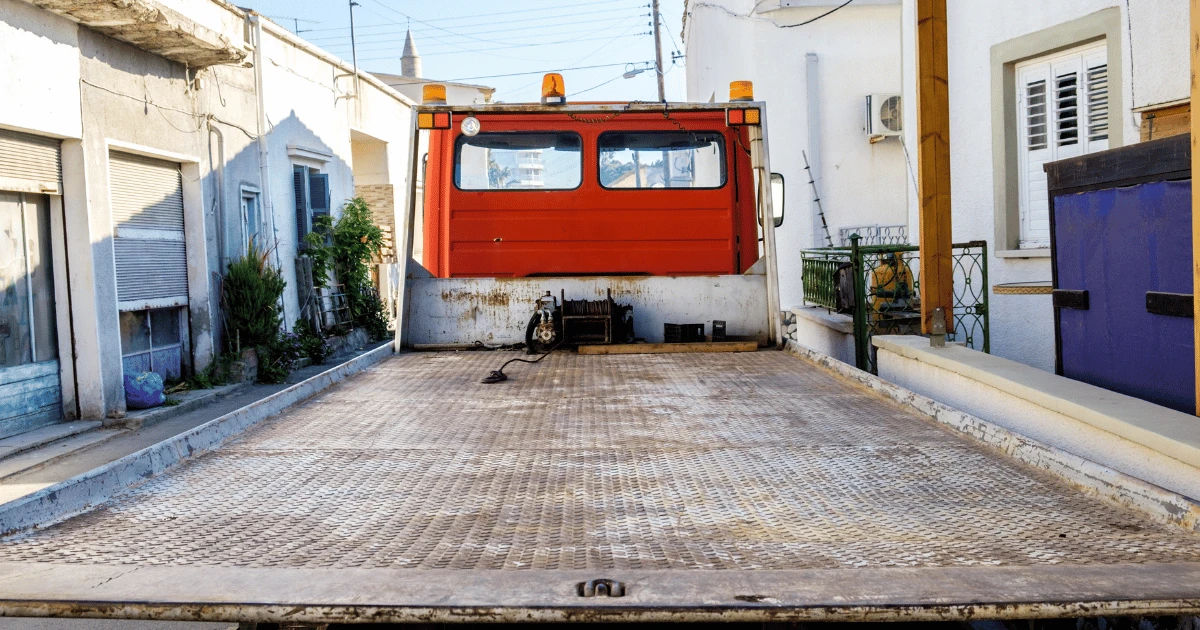
You normally agree on a collection date and location. The company may send a tow truck or another suitable vehicle depending on the condition and location of the car.
Before collection, make sure the vehicle can be accessed. If it is parked behind another vehicle, inside a narrow garage, or in an area that makes loading difficult, inform the company beforehand.
Clear access can help prevent delays.
What Happens When the Vehicle Is Collected?
During collection, the vehicle is loaded onto suitable transport and taken to the wrecking facility. If the car does not run, it may be winched or lifted onto the truck.
The exact procedure depends on the vehicle's condition and the equipment available.
Vehicle owners should remove personal belongings before the car is taken away. Check the glove box, boot, centre console, door pockets, and other storage areas.
Important documents, keys, tools, personal items, and accessories should also be removed unless they have specifically been included in the sale agreement.
Inspection at the Wrecking Facility
After arriving at the facility, the vehicle can undergo a more detailed inspection. This allows car wreckers to determine which components are suitable for reuse, refurbishment, or recycling.
The inspection may involve checking the engine, transmission, suspension, wheels, electrical components, body panels, interior, glass, and other systems.
A severely damaged vehicle may still contain many valuable components. For example, an accident-damaged car could have a functioning transmission, alternator, starter motor, doors, seats, or electronic modules even if its body has been badly damaged.
Removing Reusable Parts
Once the vehicle has been assessed, usable parts can be carefully removed. This is one of the central functions of a professional wrecking facility.
Parts that meet the company's quality requirements may be cleaned, tested, catalogued, and stored. They can later be sold to customers who need replacement components.
Used parts can sometimes provide an affordable alternative to buying brand-new components. Availability depends on the make, model, age, condition, and demand for particular parts.
What Happens to Fluids?
Vehicle fluids need to be handled carefully during dismantling. Cars can contain engine oil, coolant, transmission fluid, brake fluid, fuel, and other substances.
Professional car wreckers should have processes for draining and managing these materials safely. Fluids may be collected separately and handled according to applicable environmental requirements.
This stage is important because simply allowing automotive fluids to leak into soil or drainage systems can cause environmental problems.
How Are Vehicles Recycled?
After useful parts have been removed, the remaining vehicle shell can be processed for recycling. A large portion of a typical vehicle consists of recyclable materials.
Steel is one of the most important materials recovered from old vehicles. Aluminium and other metals may also be separated when practical.
The vehicle can be prepared for crushing or further processing after hazardous and reusable components have been removed.
Recycling reduces the amount of vehicle material sent to landfill and allows valuable raw materials to return to the manufacturing cycle.
How Are Salvaged Parts Sold?
Parts removed by car wreckers can be stored according to their type and condition. Some businesses maintain inventories so customers can search for components for particular vehicle models.
Before purchasing a used component, customers should confirm compatibility. Matching the make and model alone may not always be enough because vehicles can have different engines, transmissions, trim levels, production years, or specifications.
It is useful to provide the vehicle identification number or exact part number when available.
Can Non-Running Cars Be Accepted?
Many wrecking services accept vehicles that cannot be driven. A car does not necessarily need to be operational to have value.
A non-running vehicle may still contain reusable mechanical components and recyclable materials. The main difference is that transportation must be arranged without relying on the car's own engine.
When contacting car wreckers, explain that the vehicle is non-running. This helps them prepare the appropriate collection equipment.
Can Damaged Vehicles Be Accepted?
Damaged vehicles are commonly considered by wrecking businesses. Accident damage does not automatically make a vehicle worthless.
For example, a car with extensive body damage might still have an undamaged engine, transmission, interior, wheels, or electronic components.
The value depends on the severity and location of the damage, the vehicle's age, parts demand, and the amount of recyclable material remaining.
What Documents May Be Required?
Documentation requirements can vary depending on the business and local regulations. You may be asked to provide proof of ownership or identification.
Registration documents may also be relevant, particularly when ownership needs to be confirmed.
If the vehicle has already been deregistered, tell the company before collection. If you are unsure about the paperwork required, ask the service provider what documents you should prepare.
Keeping the necessary documents ready can make the transaction more efficient.
What Should You Do Before Collection?
Preparation does not have to be complicated. First, remove all personal possessions from the vehicle.
Next, collect the keys and relevant paperwork. Check whether you have spare keys, service records, manuals, or other items that should be retained.
You should also tell the company about unusual access conditions. If the car is parked in a tight driveway or difficult location, providing this information in advance can help the driver plan the pickup.
Do not attempt to dismantle major components yourself unless you have the appropriate skills and equipment.
How Should You Compare Wrecking Services?
Not every service operates in exactly the same way, so comparing providers can be worthwhile. Look beyond the initial offer and consider the complete service.
Ask whether vehicle collection is included, whether there are additional towing charges, how the vehicle will be assessed, and what documentation is required.
It is also useful to ask how the company handles reusable parts, recyclable materials, and vehicle fluids.
A clear explanation of the process can be a positive sign that the business takes its responsibilities seriously.
Are There Costs Involved?
In many situations, a vehicle owner may receive payment rather than pay for removal, particularly when the vehicle has useful parts or substantial recyclable material.
However, this is not guaranteed. Vehicle condition, location, transport requirements, and market conditions can affect the final arrangement.
Some circumstances may involve collection or administrative costs. Always confirm the complete terms before agreeing to the transaction.
Environmental Benefits of Vehicle Wrecking
Vehicle recycling can provide important environmental benefits. Reusing components reduces the need to manufacture replacement parts from entirely new raw materials.
Recovering metals also reduces the demand for additional raw-material extraction. Proper handling of fluids and other vehicle materials helps reduce the risk of environmental contamination.
For these reasons, car wreckers can play a useful role in the broader recycling economy.
Responsible dismantling also keeps abandoned or severely damaged vehicles from becoming long-term sources of waste.
Common Mistakes to Avoid
One common mistake is accepting the first offer without understanding the service included. A slightly higher or lower offer may not tell the whole story if towing and other charges differ.
Another mistake is providing inaccurate vehicle information. If important damage or missing components are not disclosed, the assessment may change later.
Owners should also avoid leaving personal items inside the vehicle.
Finally, do not assume that every business follows identical recycling and dismantling practices. Asking questions before collection can help you understand what will happen to your vehicle.
Questions to Ask Before Booking
Before agreeing to a service, consider asking:
-
Is vehicle pickup included?
-
Do you accept non-running vehicles?
-
Do you collect damaged or accident-affected cars?
-
What documents do I need?
-
How is the vehicle valued?
-
Are there any collection charges?
-
When will payment be made?
-
How are reusable parts handled?
-
How are vehicle fluids managed?
-
What happens to the remaining vehicle shell?
These questions can help you understand the entire transaction before handing over the vehicle.
Why Professional Service Matters
A professional service provides more than simple vehicle removal. The process can involve assessment, transportation, dismantling, parts recovery, fluid management, material separation, and recycling.
Experienced car wreckers can identify components that might otherwise be overlooked. They also have equipment designed for moving and dismantling vehicles safely.
For vehicle owners, this can make disposing of an unwanted car much easier than attempting to sell or dismantle it privately.
Conclusion
Understanding how a car wreckers service works makes the entire process easier to manage. It generally begins with an enquiry and vehicle assessment, followed by a quote and collection arrangement. The vehicle is then transported to a facility where it can be inspected, dismantled, and separated into reusable components and recyclable materials.
The condition of a vehicle does not necessarily determine whether it has value. Old, damaged, or non-running cars may still contain useful parts and valuable metals. This is why professional wrecking services can provide a practical solution for vehicles that are no longer suitable for everyday driving.
Good preparation is important. Provide accurate information, remove personal belongings, gather the required documents, and explain any access difficulties before collection. It is also sensible to ask about towing, payment, documentation, and recycling procedures before accepting an offer.
Ultimately, car wreckers help connect vehicle disposal with parts recovery and recycling. Instead of allowing an unwanted vehicle to occupy valuable space, owners can have it removed while contributing to the reuse of components and recovery of materials.
Choosing a reputable service and understanding each stage of the process can make vehicle disposal simpler, clearer, and more environmentally responsible.
No Responses