A Free Calculator 電卓 無料 tool may look like a simple online utility, but a good calculator offers much more than basic addition and subtraction. In today’s digital world, people use calculators for school assignments, business planning, budgeting, scientific calculations, shopping decisions, and everyday problem-solving. 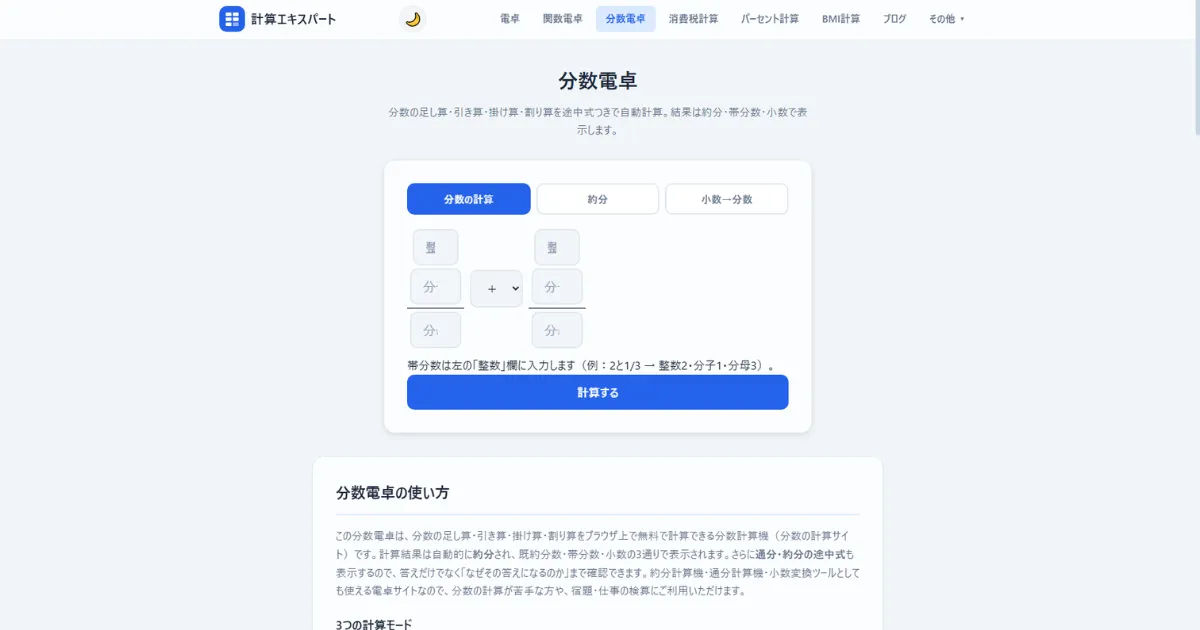
Many people think Free Calculator 電卓 無料 are the same because their primary purpose is to solve mathematical problems. However, the difference between a basic calculator and a powerful online calculator comes from the features it provides. A well-designed calculator can save time, reduce mistakes, and help users understand mathematical operations better.
Whether you are a student, professional, business owner, or someone managing personal finances, choosing the right calculator depends on the features available. A simple interface combined with advanced functions can make a calculator useful for many different situations.
Easy-to-Use Interface
One of the most important features of a calculator is a simple and user-friendly interface. Users should not need technical knowledge to perform calculations. The buttons, menus, and display should be organized clearly so anyone can use the tool without confusion.
A good calculator should have large, readable buttons and a clean layout. When users enter numbers or mathematical symbols, they should immediately understand what they are doing. Complicated designs can make even simple calculations frustrating.
For students and beginners, simplicity is especially important. A calculator that focuses on usability allows users to complete their work quickly without spending time learning how the tool works.
Fast and Accurate Calculations
Accuracy is the main purpose of any calculator. A reliable Free Calculator 電卓 無料 should provide correct results instantly. Even small calculation errors can create problems, especially when dealing with financial planning, scientific research, or important academic tasks.
Modern calculators use advanced algorithms to process mathematical operations accurately. They should handle basic calculations, decimals, percentages, and complex formulas without delays.
Speed is also important. Users expect immediate answers when they enter calculations. A slow calculator can interrupt workflow and reduce productivity.
Basic Arithmetic Operations
Every calculator should include essential arithmetic functions. These include:
- Addition
- Subtraction
- Multiplication
- Division
- Percentage calculations
These basic features are necessary for daily tasks. People use them for calculating expenses, comparing prices, checking discounts, and managing household budgets.
Although these functions are simple, they form the foundation of all mathematical calculations. A calculator without reliable basic operations cannot serve its main purpose.
Scientific Calculation Features
A powerful calculator should include scientific functions for advanced users. Students studying mathematics, physics, engineering, and other technical subjects often require more than basic calculations.
Scientific features may include:
- Square roots
- Exponents
- Logarithms
- Trigonometric functions
- Fractions
- Powers
- Constants such as pi
These features allow users to solve complex mathematical problems without needing separate software.
A scientific calculator option is especially useful for high school and university students. It provides support for advanced learning while remaining accessible through a digital platform.
Calculation History and Previous Results
One useful feature many users appreciate is calculation history. This allows people to review previous calculations instead of entering the same information again.
For example, a student working on a long math problem may need to check earlier steps. A business owner calculating expenses may want to compare previous results. Having access to calculation history improves convenience.
A good Free Calculator 電卓 無料 tool should allow users to view, clear, or reuse previous calculations easily. This feature improves productivity and reduces repeated work.
Memory Functions
Memory functions are another important feature. Traditional calculators often include buttons such as:
- Memory Save (MS)
- Memory Recall (MR)
- Memory Clear (MC)
- Memory Add (M+)
These functions allow users to store numbers temporarily while completing multiple calculations.
For example, someone calculating a monthly budget can save different amounts and combine them later. Memory features make complex calculations easier and more organized.
Mobile Compatibility
Since many people use smartphones and tablets for daily tasks, a modern calculator should work smoothly on mobile devices.
A mobile-friendly calculator should:
- Load quickly
- Adjust to different screen sizes
- Have touch-friendly buttons
- Work across different operating systems
A calculator that works well on mobile allows users to perform calculations anywhere. Whether someone is shopping, studying, or working, having quick access from a phone is extremely convenient.
Offline Availability
Internet access is not always available. A useful calculator should continue working even when users are offline.
Offline functionality is helpful for travelers, students, and professionals who may need calculations in places without reliable internet connections.
While online calculators provide additional features, offline access ensures that basic calculations remain available whenever needed.
Currency Conversion Features
Many people deal with different currencies because of international travel, online shopping, or global business. A calculator with currency conversion capabilities can be extremely useful.
A currency calculator helps users compare values between different currencies and make better financial decisions.
For example, online shoppers can quickly estimate product costs in their local currency before making purchases.
Percentage and Discount Calculations
Percentage calculations are among the most common tasks people perform. A good calculator should make percentage calculations simple.
Users often need percentages for:
- Discounts
- Taxes
- Interest rates
- Business profits
- Statistics
A calculator that includes percentage tools saves time and prevents manual calculation mistakes.
For example, shoppers can quickly determine how much they will save during a sale. Businesses can calculate profit margins more efficiently.
Customizable Settings
Customization improves user experience. Different users have different preferences, so calculators should provide adjustable settings.
Useful customization options may include:
- Changing themes
- Adjusting decimal places
- Selecting calculation modes
- Changing button layouts
These features allow users to personalize the calculator according to their needs.
Clear Display and Readable Results
A calculator must present information clearly. The display should show numbers, symbols, and results in a readable format.
A good display should prevent confusion between similar numbers and mathematical signs. Large fonts and proper spacing are especially helpful for users working with long calculations.
Clear results improve accuracy because users can easily check their inputs before accepting the final answer.
Support for Fractions and Decimals
Mathematical problems often involve fractions and decimals. A quality calculator should handle both formats correctly.
Students frequently work with fractions in algebra, geometry, and science subjects. Professionals may need decimal calculations for measurements, finance, and engineering.
A calculator that supports multiple number formats provides greater flexibility.
Expression Editing Capability
Advanced calculators should allow users to edit expressions before calculating the final result.
For example, if someone enters a long formula and notices a mistake, they should be able to correct the error without starting over.
Expression editing saves time and makes calculations more efficient.
Privacy and Security
Although calculators usually do not require personal information, privacy remains an important consideration.
A trustworthy calculator should avoid unnecessary data collection. Users should feel confident that their calculations are not being stored or shared without permission.
Security is especially important for calculators used for financial planning or business purposes.
Regular Improvements and Updates
Technology changes constantly, and digital tools should improve over time. A reliable calculator should receive updates that improve performance, fix problems, and add useful features.
Regular improvements help maintain accuracy and ensure compatibility with modern devices.
Educational Benefits of Advanced Calculator Features
A calculator is not only a tool for finding answers. It can also support learning.
Students can use calculators to understand mathematical concepts, check their work, and explore different problem-solving methods.
Features like step-by-step calculations, graphs, and scientific functions can help students develop stronger mathematical skills.
However, calculators should support learning rather than replace understanding. Students should still learn the principles behind calculations.
Why Feature-Rich Calculators Are Better
A calculator with more features provides greater value because it can handle different tasks. Instead of using separate tools for budgeting, science, percentages, and conversions, users can rely on one complete solution.
A feature-rich Free Calculator 電卓 無料 platform provides flexibility for different users. A student may need scientific functions, while a business user may need financial calculations. The best calculators can serve both groups effectively.
Choosing the Right Calculator for Your Needs
The best calculator depends on what you plan to do with it.
Students may prioritize scientific functions, fractions, and equation support. Business professionals may focus on financial tools and accuracy. Everyday users may prefer simplicity and speed.
Before selecting a calculator, consider:
- What calculations you perform regularly
- Whether you need advanced functions
- Which devices you use
- Whether offline access matters
- How easy the interface is to understand
Choosing based on your needs ensures that the calculator becomes a useful daily tool.
Future Features of Digital Calculators
As technology develops, calculators may become even smarter. Future calculators could include artificial intelligence assistance, voice commands, personalized learning tools, and advanced problem explanations.
AI-powered calculators may help users understand how solutions are reached instead of only showing answers. This could make calculators valuable educational assistants.
The future of calculators is not only about faster calculations but also about improving understanding and decision-making.
Conclusion
A good calculator should provide much more than simple mathematical operations. The best tools combine accuracy, speed, simplicity, and advanced features to meet the needs of different users.
Important features such as scientific functions, calculation history, memory options, mobile compatibility, percentage calculations, and clear displays make calculators more practical and efficient.
A Free Calculator 電卓 無料 solution can be valuable for students, professionals, and everyday users when it offers the right combination of convenience and functionality. The ideal calculator should be easy enough for beginners while powerful enough for advanced calculations.
As digital technology continues to improve, calculators will become smarter and more helpful. However, the most important qualities will always remain the same: accuracy, reliability, and ease of use.
A calculator is a small tool with a big impact. When designed with the right features, it can save time, reduce mistakes, and make mathematical tasks much easier for everyone.
No Responses