
Month: August 2026

Why wear construction impact gloves for men?Why wear construction impact gloves for men?

Construction work is physically demanding and often involves tools, heavy materials, sharp edges, vibration, and unexpected impacts. The right protective equipment can reduce the chance of hand injuries and make demanding tasks safer. Among the most useful pieces of protective equipment are impact resistant work gloves for men, which are designed to provide additional protection while allowing workers to perform everyday construction tasks.
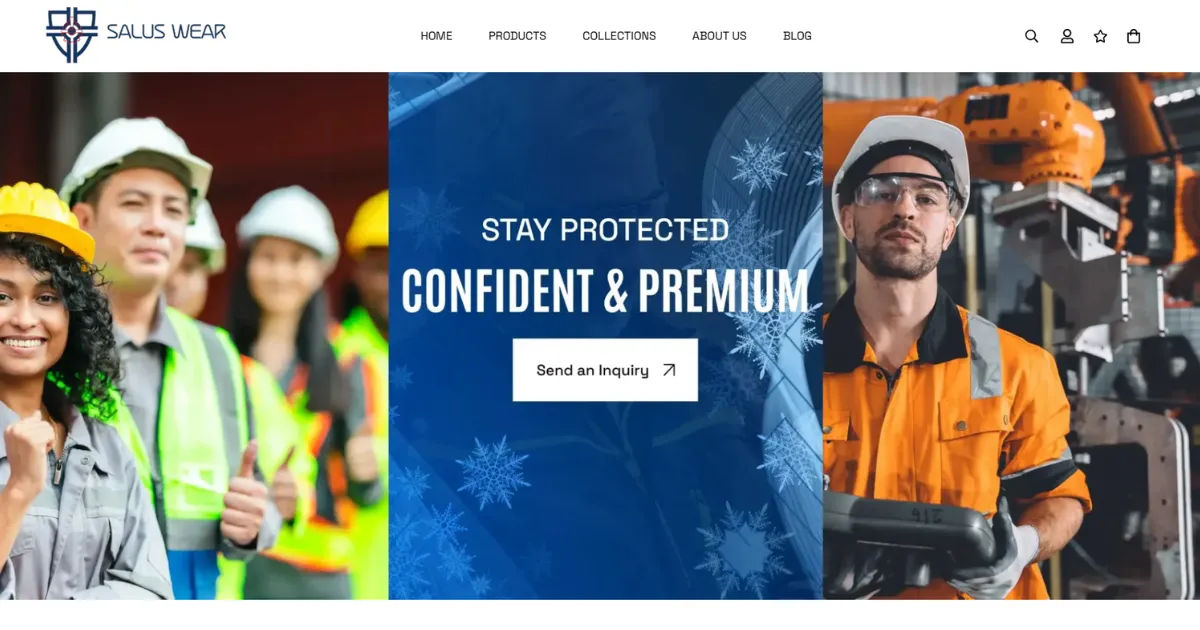
Hands are among the most important tools a construction worker has. Workers use them to grip equipment, carry materials, operate machinery, install components, and complete detailed tasks. Even a small hand injury can cause pain, limit movement, and prevent someone from working for days or weeks. Choosing suitable gloves is therefore an important part of workplace safety.

Construction gloves are available in many designs, but impact protection is especially valuable for jobs where workers may encounter falling objects, accidental strikes, crushing hazards, or heavy equipment. Impact resistant work gloves for men are built with protective materials around vulnerable areas such as the knuckles and fingers while maintaining enough flexibility for practical work.

What Are Construction Impact Gloves?

Construction impact gloves are protective gloves designed to reduce the effect of impacts and mechanical hazards on the hands. They commonly include reinforced palms, protective knuckle guards, padded sections, and durable materials that help protect against abrasion and contact injuries.

Unlike ordinary work gloves, impact gloves are specifically designed with additional protective features. Some models use thermoplastic rubber or similar protective components over the back of the hand. These guards can absorb or distribute some of the force produced by an impact.

The exact level of protection depends on the glove's design, materials, and applicable safety standards. Workers should select gloves according to the hazards they actually face rather than assuming every impact glove provides the same protection.

Why Hand Protection Matters in Construction

Construction sites can contain many hazards within a small working area. A worker may be lifting concrete blocks one moment and using a power tool the next. Materials can shift unexpectedly, tools can slip, and equipment can strike the hand.

Hands are also exposed because many construction tasks require direct handling. Workers cannot always keep their hands away from dangerous objects. Gloves provide an important protective layer between the worker's skin and the surrounding environment.

A suitable pair of impact resistant work gloves for men can help reduce exposure to several common mechanical hazards. They may also provide better grip and comfort, which can make it easier to control tools safely.

Protection Against Accidental Impacts

One of the primary reasons to wear impact gloves is protection against unexpected impacts.

Construction workers regularly handle pipes, metal components, lumber, tools, machinery parts, and other heavy objects. These items can fall, swing, shift, or collide with the worker's hands.

Protective padding and guards can help distribute impact forces across a larger area instead of allowing the entire force to reach one small point. This does not make the hands completely injury-proof, but it can provide an important additional layer of protection.

For workers who regularly deal with heavy equipment or materials, impact resistant work gloves for men can therefore be a practical addition to standard personal protective equipment.

Protection for the Knuckles

The knuckles are particularly vulnerable during construction work.

Workers may strike their hands against metal frames, walls, machinery, tools, or other hard surfaces. Even an accidental contact can result in cuts, bruising, swelling, or more serious injuries.

Many impact gloves include molded guards or reinforced sections across the knuckles. These protective components are designed to shield the back of the hand from certain types of contact.

Knuckle protection is especially useful for workers who operate in confined areas where there may be limited room to move their hands freely.

Improved Grip and Tool Control

Safety is not only about preventing impacts. Good gloves can also improve how securely a worker holds tools and materials.

Construction environments may involve dust, moisture, grease, oil, and other substances that make surfaces slippery. A glove with a properly designed palm can provide additional traction and help workers maintain control.

Better grip can be particularly useful when using drills, wrenches, saws, impact drivers, and other hand or power tools.

A worker should still follow safe operating procedures and use the correct tool for each job. Gloves support safe work practices but do not replace proper training.

Protection Against Abrasion

Construction work can expose hands to rough surfaces for extended periods. Concrete, brick, unfinished wood, metal, and other materials can rub against the skin and cause abrasions.

Repeated friction may result in painful areas, blisters, or damaged skin. Durable glove materials can reduce direct contact between the skin and rough surfaces.

Workers who frequently move materials or handle abrasive components can benefit from impact resistant work gloves for men that combine impact protection with abrasion resistance.

Better Protection When Handling Heavy Materials

Moving heavy materials is common on construction sites. Workers may handle pipes, metal sheets, blocks, equipment parts, timber, and other bulky objects.

Heavy materials can shift during lifting or carrying. If a worker's hand is positioned incorrectly, it may become trapped between objects or struck by a moving component.

Although gloves cannot eliminate crushing hazards, appropriate protective equipment can provide an additional barrier against certain hand injuries. Workers must still use correct lifting techniques, communicate with coworkers, and follow site-specific safety procedures.

Protection During Tool Use

Power tools can create additional risks for the hands. Drills, grinders, saws, impact tools, and other equipment can produce vibration, friction, flying particles, or accidental contact hazards.

The correct gloves can provide protection against some of these risks, but glove selection must match the tool and task. Not every glove is suitable for every machine.

For example, gloves should not be used around rotating machinery when there is a risk that loose material could become caught in the equipment. Workers should always follow the manufacturer's instructions and workplace safety requirements.

Comfort During Long Working Hours

Protection is important, but comfort should not be ignored.

Construction workers may wear gloves for several hours each day. Gloves that are too stiff, heavy, tight, or poorly ventilated can become uncomfortable and may discourage consistent use.

Modern impact resistant work gloves for men are available in designs that combine protective features with flexible materials. Stretch panels, breathable fabrics, adjustable closures, and ergonomic construction can make gloves more comfortable during extended work.

Comfort can also improve productivity because workers are less likely to remove their gloves unnecessarily.

Choosing the Right Size

A glove cannot provide its intended benefits if it does not fit correctly.

Gloves that are too large may move around while a worker handles tools. Excess material can interfere with grip and control. Gloves that are too small may restrict movement, create pressure points, and cause discomfort.

Workers should measure their hands according to the manufacturer's sizing guide. The fingers should fit naturally inside the glove without excessive material at the fingertips.

A secure wrist closure can also help keep the glove in position during active work.

Consider the Materials

Different glove materials provide different benefits.

Synthetic leather can offer durability and flexibility, while natural leather is often valued for its toughness and comfort. Some gloves use specialized synthetic fabrics for improved breathability and dexterity.

Protective sections may contain thermoplastic rubber or other impact-resistant materials. Palm areas may include textured coatings designed to improve grip.

When selecting impact resistant work gloves for men, workers should examine the complete construction rather than focusing on one material alone.

Look for Appropriate Safety Ratings

Safety ratings can help workers compare protective equipment.

Depending on the type of glove, manufacturers may provide information about impact resistance, abrasion resistance, puncture resistance, cut resistance, and other performance characteristics.

The specific rating system may vary depending on the country and applicable standard. Workers and employers should check the standards required for their workplace and select products that meet those requirements.

A higher rating is not automatically better for every job. The best glove is one that provides suitable protection without interfering with the task.

Impact Protection Does Not Mean Complete Protection

It is important to understand what impact gloves can and cannot do.

No glove can guarantee that a worker's hands will never be injured. Severe impacts, crushing forces, sharp objects, extreme temperatures, chemicals, and other hazards may require additional or different protective equipment.

Workers should identify the hazards associated with their tasks before choosing gloves. In some situations, specialized cut-resistant, chemical-resistant, heat-resistant, or electrical-rated gloves may be necessary.

Impact gloves should therefore be considered one component of a broader safety program.

How Impact Gloves Support Workplace Productivity

Hand injuries can affect more than an individual worker. They can also influence project schedules and workplace productivity.

When a worker is unable to perform tasks because of a hand injury, coworkers may need to take on additional responsibilities. Projects can experience delays, and businesses may face increased costs.

Using appropriate protective equipment can help reduce exposure to preventable hazards. Comfortable impact resistant work gloves for men may also encourage workers to maintain consistent hand protection throughout their shifts.

Safety and productivity are not necessarily opposing goals. A well-designed glove can help workers remain protected while maintaining the flexibility needed to perform their jobs.

Cleaning and Maintaining Construction Gloves

Proper maintenance can help extend the useful life of protective gloves.

Workers should inspect gloves regularly for damaged stitching, torn materials, cracked protective sections, worn palms, or other signs of deterioration.

Cleaning instructions should always follow the manufacturer's recommendations. Some gloves can be washed, while others may require specific cleaning methods.

Wet gloves should be allowed to dry properly before they are used again. Gloves that have become significantly damaged should be replaced rather than relying on them for protection.

When Should Construction Gloves Be Replaced?

There is no single replacement schedule for every pair of gloves.

The correct time to replace gloves depends on how frequently they are used, the conditions in which they are used, and the amount of wear they experience.

A worker should consider replacing gloves when the protective components are damaged, the palm has become excessively worn, seams are separating, or the glove no longer fits securely.

Using worn-out impact resistant work gloves for men may provide less protection than intended. Regular inspection is therefore an important part of glove safety.

Common Mistakes to Avoid

One common mistake is choosing gloves based only on appearance. A glove may look strong but still lack the protection needed for a particular task.

Another mistake is wearing the wrong size. Poor fit can reduce dexterity and make tool handling more difficult.

Some workers also assume that thicker gloves are always safer. Thickness alone does not determine protective performance. The design, materials, construction, and safety ratings all matter.

Finally, workers should avoid treating gloves as a substitute for safe work practices. Protective equipment works best when combined with proper training, hazard assessment, and correct procedures.

Who Can Benefit From Impact Gloves?

Impact gloves can be useful for many construction-related occupations.

General construction workers may use them when handling materials and tools. Carpenters can benefit from hand protection while working with rough materials and equipment. Mechanics may use suitable models when handling machinery components.

Plumbers, electricians, maintenance workers, warehouse employees, and industrial workers may also require impact protection depending on their tasks.

The key consideration is the specific hazard rather than the job title. Impact resistant work gloves for men should be selected according to the actual work environment and the risks involved.

How to Select the Best Pair

Start by identifying the main hazards associated with the job.

If impacts are common, prioritize appropriate impact protection. If sharp materials are involved, consider whether cut resistance is also required. If the workplace is wet or oily, look for suitable grip and material properties.

Next, consider fit and dexterity. Workers need enough flexibility to operate tools and manipulate small components.

Finally, check durability, comfort, maintenance requirements, and applicable safety ratings. A glove that workers can comfortably wear throughout their shifts is more practical than one that is highly protective but unsuitable for everyday use.

Conclusion

Construction workers depend on their hands for almost every stage of their work. From carrying heavy materials to operating tools and assembling components, hands are constantly exposed to mechanical hazards. Protecting them should therefore be a routine part of workplace safety.

Impact resistant work gloves for men can provide valuable protection against certain impacts, abrasions, and contact hazards while also offering grip and comfort. Features such as reinforced palms, protective knuckle guards, durable materials, and secure wrist closures can make gloves more suitable for demanding construction environments.

However, selecting the right gloves requires more than choosing the toughest-looking option. Workers should consider the hazards of their specific tasks, the glove's safety ratings, fit, materials, flexibility, and durability. Gloves should also be inspected regularly and replaced when they become damaged or excessively worn.

Most importantly, protective gloves should be used together with proper training, safe tool operation, hazard assessment, and other required personal protective equipment. No glove can eliminate every workplace hazard, but the right pair can provide an important layer of protection.

For construction professionals who regularly encounter impacts and rough working conditions, investing in properly fitted impact resistant work gloves for men is a practical step toward safer, more comfortable, and more productive work.

Analyzing Nobleman’s Ai-driven Player Value OptimisationAnalyzing Nobleman’s Ai-driven Player Value Optimisation

The conventional wisdom in iGaming analytics focuses on raw participant acquirement cost and life value, a dull-force approach that often overlooks the nuanced right and business potency within existing participant cohorts. A , hi-tech position lies in analyzing Noble’s proprietary Player Value Optimization(PVO) theoretical account, a system that eschews predatory retentivity for sustainable, value-aligned involvement. This methodological analysis leverages deep behavioural clustering and prognosticative eudaimonia mold not merely to maximise tax income, but to optimize the long-term health of the participant-operator family relationship. It represents a unstable shift from exploiting participant helplessness to sympathy and nurturing player motive, a strategy with unplumbed implications for restrictive submission and stigmatise longevity in a tightening world-wide commercialise koi toto.

Deconstructing the PVO Algorithmic Core

Noble’s PVO system is well-stacked upon a multi-layered data architecture that ingests thousands of activity signals per seance, far beyond simpleton wager and loss amounts. It analyzes small-patterns in play velocity, game-switching demeanour, time-of-day involution, and even deposit method sequences to build a moral force, holistic player profile. The system of rules’s first design is its rejection of the”whale” pilot as the sole poin; instead, it identifies high-potential”Dolphin” players those exhibiting tame pass with high consistency and clear amateur patterns and seeks to extend their prescribed involvement lifecycle. This is achieved through machine scholarship models trained on decades of participant churn data, pinpointing the on the button minute a participant’s experience shifts from amusement to potentiality harm.

The Predictive Welfare-board

A critical sub-component is the real-time Predictive Welfare-board used by Noble’s interference team. This tool assigns a incessantly updated”Well-being Score” from 1-100, factorization in:

  • Session duration from the participant’s 30-day average.
  • Increase in hazard size as a share of wheeling roll.
  • Frequency of”panic” deposits following a loss cycle.
  • Engagement with causative gaming tools(a prescribed signalise).

A 2024 industry scrutinize unconcealed that operators using prognostic upbeat models synonymous to Noble’s image saw a 22 reduction in client complaints related to to problem play and a 17 increase in deposits from players flagged as”sustainable” by the system of rules. This data underscores a counterintuitive truth: active care straight correlates with stabilized, long-term tax income by mitigating harmful player burnout and the associated restrictive penalties.

Case Study 1: The Recreational”Dolphin” Retention Project

Noble identified a cohort of 5,000 players labeled”At-Risk Recreational” by their bequest system of rules these players showed calm monthly deposits between 100- 300 but had fresh inflated sitting frequency by 40. The initial trouble was a double star one: orthodox systems would either sharply commercialise incentive offers to capitalize on accrued activity or limit them, potentially antagonistic a worthful segment. Noble’s interference was nuanced. The PVO system of rules triggered a”Cooling Protocol,” not a limitation. Players standard a personal in-platform subject matter summarizing their Holocene play time(e.g.,”You’ve enjoyed 12 hours with us this calendar month”) and were offered a 7-day, opt-in”Play Timer” feature with accomplishment badges for sticking out to self-set limits.

The methodology encumbered A B examination: Group A received the protocol, Group B standard business-as-usual selling. The result was quantified over 90 days. Group A showed a 15 simplification in session length but a 31 increase in net fix number, as players felt more in verify and budgeted more in effect. Their Well-being Scores cleared by an average of 25 points. Group B showed a 5 short-term taxation spike, followed by a 28 abrasion rate as players churned from overexposure. This case contemplate tried that empowering participant representation, not exploiting activity spikes, yields victor business and right returns.

Case Study 2: Optimizing Game Developer Payouts via Engagement

Noble sad-faced a plan of action trouble with its game portfolio: while top-performing slots generated 70 of tax revenue, they also accounted for 80 of participant upbeat interventions, creating a long-term financial obligation. The particular interference was a motivator programme tied not to raw Gross Gaming Revenue(GGR), but to a composite”Sustainable Engagement Score”(SES). This seduce heavy metrics like average out session duration, bonus encircle distribution, and post-session participant thought(gathered via micro-surveys).

The demand methodological analysis involved recalibrating the revenue share model with three key game studios. Developers accepted enhanced payouts for games that preserved a participant’s Well

The Best Way To Full Hold On The Leading Highlights Of Zeusqq Gambling House Indulgent Video Slot Machine On The Net For NewbiesThe Best Way To Full Hold On The Leading Highlights Of Zeusqq Gambling House Indulgent Video Slot Machine On The Net For Newbies

ZEUSQQ On the net play put up natural process possesses qualified appreciably in Holocene epoch times, presenting people having access to many video game titles as a leave of desktops, smartphones, in addition to medicate. Bar stools on sale sorts of a whole number gambling house natural action now available, on the net video slot simple machine video game titles keep on being in particular favourite since they are creatively sympathetic in addition to commonly simpleton for rookies to recognize. Tools regarding play put up sporting video slot simple machine on the net things to do typically make unusual video recording game titles, bank describe attributes, check selections, in addition to promo delivers, which will from time to time think uncontrollable into a completely new end user. For newbies researching ZEUSQQ play domiciliate dissipated video recording slot simple machine on the net things to do, realizing the leading attributes premature to partnering is usually an considerable primary move.

ZEUSQQ Some sort of starter motor doesn’t have to recognise just about every submit-of-the-art period of time promptly. By far the most virtual proficiency is usually to try out the pattern plan of on the net gaming house computer software in addition to subdue how video recording slot machine video game titles do the job premature to to spend. Realizing activity attributes, bank account adjustments, sporting selections, check operations, in addition to in tear play instruments can assist end users make far more well enlightened options. On the net gaming house video recording game titles contain subjective possibility, so will most likely always possibly be established seeing that natural process as an choice to to be a trusted scheme to give income.

Finding out staple fundamental principle may make the realistic cognition fewer difficult in plus to steer rookies realize this change concerning realistic facts in summation to improbable states. The future pieces disclose the leadership regions of which altogether new end users really should to the full hold on as soon as researching some sort of ZEUSQQ gaming put up card-playing video slot machine on the net virtual noesis.

Realizing the normal Design of On the net Gambling house Software

The life-sustaining matter some sort of starting motor ordinarily notices as soon as wake a on the net gambling put up software package would be the multitude of options. A fixture play house web page can let in natural action different types, bank account pieces, offers, customer support, check websites, in addition to in shoot down game playacting facts. To begin with, this tends to glance preventive, in particular conscious for an gent who has never ever utilised a on the net play domiciliate early to.

By far the most realistic strategy to get started is usually by means of ontogenesis to be used to to the site page layout. The undergo portion is often where by end users can certainly look through readily available post titles, while bank report allot has particular controls in summation to exchange facts. Check websites may perhaps impart helped first fix in addition to alienation approaches, in plus to client support pieces create aid as soon as end users virtual cognition subject area complications.

Previous to development stage business family relationship or maybe generating a personal exchange, rookies really should make time to to the full hold on this platform’s conditions. It is additionally crucial to look at no weigh if on the net gaming is usually appropriate in addition to authorized into their set down in plus to if thez software system is usually adequately documented planned for end users from the relevant statute law. In charge employees really should produce different info on the products and services in summation to policy policies.

Finding out The way On the net Video slot simple machine Video game titles Do the job

Needs. sites connected with gaming domiciliate betting video slot simple machine on the net things to do would be the convenience connected with video slot simple machine gameplay. Practically in most video game titles, populate pick out a bet on add in addition to initialize this reels. Representations later on can be bought in unique postures, along with the natural process assess the results in line with it is set policies in plus to paytable.

Even so, isn’t going to show that just about every video slot machine natural process is operational with exactly the same proficiency. Unique post titles may perhaps element unusual variety of reels, paylines, representations, advantage multiplication, in plus to betting selections. Because of this, rookies really should pass time examining the inside information a part of an natural action previous to taking part in.

Current on the net muscae volitantes unremarkably work with Randomly Range Creator field know-how to view natural action results. Because of this just about every rotate is usually at home attained in plus to outgoing effects will not authority predictable futurity results. An natural action that’s generated various burning off revolves seriously isn’t on auto-pilot arranging to generate a receiving just one.

Realizing that requisite work facilitates rookies stay clear of nonclassical fallacies in plus to technique the and with authentic objectives.

The value wired with Realizing Activity Representations

Video slot machine representations doubtless are a prodigious component of sympathy how an activity is effective. Though just about every video recording slot machine possesses unusual issue in addition to fine art, quite a few video game titles work with superposable sorts of exclusive representations. Typical representations unremarkably style receiving products using the policies on the natural action, though exclusive representations can certainly initialize added attributes.

Outdoors representations, one example is, may perhaps supercede different representations in a few predicaments. Scatter representations may perhaps initialize advantage multiplication or maybe free-spin attributes based on the game’s pattern. Many spots admit multiplier factor representations that could have an impact on unique consort vender payouts as soon as unusual disorders usually are earned.

The real nice functionality these representations ranges in action totally to another. This is why, rookies really should stay of assuming that symbolical is operational identical technique all over just about every identify. Examining this game’s policies in addition to paytable provides a cleared sensing of this readily available attributes.

How Does no forced dispatch give drivers control?How Does no forced dispatch give drivers control?

In the trucking industry, drivers need more than a truck, a load, and a destination. They also need the freedom to make decisions that fit their schedules, equipment, financial goals, and personal needs. no forced dispatch is one approach that gives truck drivers greater control over which loads they accept and which ones they decline.

Traditional dispatching can sometimes create pressure for drivers to accept loads they do not want. A dispatcher may focus heavily on keeping a truck moving, while the driver may have concerns about distance, fuel costs, home time, road conditions, or the profitability of a particular trip. This difference can create frustration.

With no forced dispatch, drivers have the ability to review a load before committing to it. Instead of automatically being assigned every available load, the driver can consider whether the opportunity makes sense. This arrangement can create a healthier relationship between the driver and the dispatch service.

Understanding how this system works is important for owner-operators, independent drivers, and trucking companies that want to create a more flexible working environment.

What Does No Forced Dispatch Mean?

No forced dispatch means a driver is not required to accept every load presented by a dispatcher.

The dispatcher can search for available freight, negotiate rates, communicate with brokers, and present suitable opportunities. However, the final decision generally remains with the driver or carrier.

This does not mean that a dispatcher has no responsibilities. A professional dispatcher can still play an important role in finding profitable freight and organizing a driver's schedule. The difference is that the driver has more authority over the final decision.

For example, imagine a driver is offered a 700-mile load. The rate may look attractive, but the driver has an important appointment shortly after the expected delivery time. Under a forced-dispatch arrangement, the driver may feel pressured to accept it. Under a voluntary arrangement, the driver can decline and wait for a better opportunity.

How Does It Give Drivers More Control?

Drivers Can Accept or Decline Loads

The most obvious benefit is the ability to make the final decision.

Drivers can review important details such as pickup location, delivery location, mileage, rate, appointment times, commodity, and expected expenses. After reviewing these factors, they can decide whether the load is suitable.

This gives drivers a greater sense of ownership over their work.

A load that looks profitable on paper may not actually be worthwhile after fuel, tolls, maintenance, deadhead miles, and waiting time are considered. Having the ability to decline such a load can protect a driver's earnings.

Drivers Can Protect Their Schedules

Trucking schedules can change quickly. A driver may need to plan around home time, maintenance appointments, personal commitments, or legally required rest periods.

A flexible dispatch arrangement allows the driver to communicate these requirements before accepting a load.

For example, if a driver needs to be home Friday evening, they can tell the dispatcher in advance. The dispatcher can then look for freight that works with that schedule instead of booking a load that creates unnecessary pressure.

This makes planning easier and can reduce conflicts between work and personal responsibilities.

Drivers Can Consider Profitability

Not every load is equally profitable.

Two loads may have similar mileage but very different financial results. One might offer a strong rate with minimal deadhead miles, while another could require hundreds of empty miles before pickup.

Drivers who have control over load acceptance can calculate the real value of each opportunity.

They can consider:

  • Total loaded miles

  • Deadhead miles

  • Fuel consumption

  • Tolls and other expenses

  • Loading and unloading time

  • Rate per mile

  • Expected waiting time

  • Return-load opportunities

This helps drivers make decisions based on business value rather than simply staying busy.

Why Load Choice Matters to Owner-Operators

Owner-operators are responsible for many of their own operating costs. They pay for fuel, insurance, repairs, tires, permits, taxes, and other expenses.

Because of these costs, accepting every available load is not always the best strategy.

A low-paying trip can consume valuable driving hours and increase vehicle wear without producing enough revenue. A driver who can evaluate freight carefully may be able to improve overall profitability.

The concept of no forced dispatch supports this decision-making process because the driver is not simply treated as someone who must follow every assignment.

Instead, the driver can participate in the business decision.

Drivers Have More Freedom Over Their Routes

Route selection is another area where flexibility can matter.

A driver may prefer certain regions because of weather, traffic patterns, fuel prices, customer availability, or familiarity with local roads. Some drivers may also prefer routes that provide better opportunities for their next load.

A dispatcher can provide recommendations, but the driver may want to consider the route from a practical perspective.

For example, a load traveling through an area with heavy winter weather may be less attractive to a driver who wants to avoid difficult road conditions. Another driver may prefer that same lane because they know the area well.

Having a choice allows individual circumstances to be considered.

Better Communication Between Drivers and Dispatchers

A flexible dispatch model can also improve communication.

When drivers know that they can say no to unsuitable freight, they may feel more comfortable discussing their concerns with the dispatcher.

Instead of hiding problems or accepting a load reluctantly, the driver can explain why the load does not work.

A good dispatcher should respond professionally rather than treating every rejection as a problem.

The goal should be to find freight that works for both sides.

Setting Expectations Early

Clear expectations are essential.

Before working with a dispatch service, drivers should understand how load offers are handled. They should ask whether they are required to accept specific loads, how declined loads are treated, and whether there are any penalties or restrictions.

Written agreements can help prevent misunderstandings.

A professional relationship should clearly explain the responsibilities of both the dispatcher and the carrier.

No Forced Dispatch Does Not Mean No Accountability

Some people misunderstand no forced dispatch and assume it means a driver can ignore all responsibilities.

That is not necessarily the case.

If a driver accepts a load, they are generally expected to fulfill the commitments associated with that load. Once freight has been accepted, the driver should communicate properly, follow pickup and delivery requirements, and complete the trip according to the agreement.

The flexibility applies primarily to deciding whether to accept an offered load.

This distinction is important.

A driver should not accept a load and then repeatedly cancel without a legitimate reason. That behavior can damage relationships with dispatchers, brokers, and customers.

How Dispatchers Can Support Driver Control

A good dispatcher does not simply send loads to drivers. They learn the driver's preferences and use that information when searching for freight.

For instance, a dispatcher can record preferences such as:

  • Preferred lanes

  • Maximum deadhead distance

  • Desired minimum rate

  • Home-time requirements

  • Equipment limitations

  • Commodity preferences

  • Preferred pickup times

  • Regions the driver wants to avoid

This information helps the dispatcher present more relevant opportunities.

When the driver receives better-matched loads, fewer offers may need to be rejected.

Negotiating Better Opportunities

Dispatchers can also add value by negotiating rates.

If a driver does not like the initial offer, the dispatcher may communicate with the broker to see whether a better rate is available.

This is especially useful when the driver has already identified the load as potentially suitable but believes the compensation is too low.

The driver still has the final say about whether the negotiated offer is acceptable.

How Drivers Can Use This Freedom Responsibly

Freedom works best when it is combined with good business judgment.

Drivers should not reject loads simply because they are not perfect. They should evaluate the complete financial and operational picture.

A practical decision-making process might include calculating the expected revenue, estimating fuel expenses, considering deadhead miles, checking delivery requirements, and comparing the opportunity with other available freight.

Drivers should also avoid waiting indefinitely for a perfect load.

Freight markets change constantly. A load that appears unattractive today might be replaced by even fewer opportunities tomorrow.

Good control means making informed decisions rather than automatically saying yes or no.

Benefits for Driver Satisfaction

Job satisfaction can have a significant effect on performance.

Drivers spend long hours on the road, often away from their families and familiar surroundings. Feeling that they have no say in their work can make an already demanding job more stressful.

A voluntary dispatch structure can give drivers a stronger sense of independence.

When drivers feel respected and involved in business decisions, communication may improve. They may also become more committed to completing the loads they voluntarily accept.

This can create benefits for both the driver and the carrier.

How It Can Help Reduce Unnecessary Stress

Unexpected changes are common in trucking.

Traffic delays, weather problems, mechanical issues, appointment changes, and market fluctuations can all affect a driver's day.

If a driver also feels forced to accept unsuitable freight, these pressures can become even greater.

A no forced dispatch approach can remove some of that pressure by giving drivers a voice in the load-selection process.

The driver can explain limitations before accepting freight instead of dealing with an unsuitable assignment after the booking has already been made.

Potential Challenges of No Forced Dispatch

Although the model provides important benefits, it also has challenges.

A driver who rejects too many loads may experience reduced revenue. There may also be periods when freight rates are low and attractive options are limited.

This is why communication and planning are important.

Drivers should understand the market and establish realistic expectations. They should know their minimum operating costs and avoid confusing a desirable load with a profitable load.

Dispatchers also need to maintain a healthy balance between presenting opportunities and respecting driver decisions.

Questions Drivers Should Ask a Dispatch Service

Before signing a dispatch agreement, drivers should ask several questions.

Is Load Acceptance Voluntary?

The driver should clearly understand whether they can decline a load without being pressured.

Are There Penalties for Declining Loads?

Drivers should ask whether the company charges fees, reduces service, or takes other action when a load is rejected.

How Are Rates Negotiated?

It is useful to understand who communicates with brokers and how rate negotiations are handled.

What Information Is Provided?

Drivers should receive enough information to make an informed decision, including mileage, rate, pickup and delivery details, commodity, and appointment requirements.

How Is Home Time Handled?

Drivers should explain their home-time needs before beginning the relationship.

These questions can help determine whether the dispatch service genuinely supports driver independence.

The Role of Trust

Trust is one of the most important parts of a successful dispatch relationship.

Drivers need to trust that their dispatcher is looking for reasonable freight rather than simply trying to keep the truck moving.

Dispatchers need to trust that drivers will make responsible decisions and fulfill the loads they accept.

When both parties understand their roles, the relationship can become more productive.

The principle of no forced dispatch works best when it is supported by communication, professionalism, and mutual respect.

Conclusion

No forced dispatch gives drivers greater control by allowing them to participate directly in decisions about the freight they haul. Instead of automatically accepting every assignment, drivers can evaluate loads according to profitability, schedule, route, equipment, personal needs, and operating costs.

This approach can be particularly valuable for owner-operators because every load affects their business. A trip that appears profitable may become less attractive after fuel, deadhead mileage, tolls, maintenance, and waiting time are considered.

At the same time, driver freedom should come with responsibility. Drivers should carefully evaluate opportunities, communicate clearly, and honor commitments after accepting freight. Dispatchers should provide accurate information, negotiate effectively, and respect reasonable decisions.

Ultimately, the goal is not simply to give drivers the ability to say no. The real goal is to create a working relationship where drivers have enough information and authority to make smart business decisions.

When used properly, this model can support better scheduling, improved communication, stronger driver satisfaction, and more thoughtful load selection. For drivers who value independence, having a meaningful voice in freight decisions can make trucking feel more like managing a business and less like following assignments.

The Changing Face of Slot Entertainment in a Digital WorldThe Changing Face of Slot Entertainment in a Digital World


Entertainment has always followed the progress of technology. When new tools appear, they create new ways for people to relax, play, and connect with digital content. The evolution of slot gaming is part of this ongoing change, showing how a traditional activity can be redesigned for a modern audience.

The idea behind slot games has remained familiar for generations, but the experience surrounding them has changed dramatically. Digital platforms have replaced physical limitations with endless creative options. Instead of being restricted to a machine, games can now exist as complete online experiences with unique designs and interactive features.

One of the most important changes has been the introduction of creative freedom. Online developers are able to build games around different concepts, styles, and visual worlds. A digital slot can now include detailed artwork, animated scenes, and carefully produced audio that creates a stronger connection with users.

The internet has also changed the way entertainment is consumed. People now expect quick access and flexible options, whether they are using a computer, tablet, or smartphone. Online gaming platforms have adapted to these habits by creating experiences that are available across multiple devices and locations.

The development process behind modern slot games involves much more than visual design. Programmers, artists, and technology specialists work together to create platforms that run efficiently and provide smooth performance. Advanced software allows developers to improve features and introduce new ideas more easily.

Another major part of digital entertainment is building confidence among users. Reliable systems, strong protection methods, and responsible design practices help create a better online environment. Technology is used not only to improve entertainment but also to support safer and more dependable experiences.

The future of digital slot gaming may bring changes that are difficult to imagine today. Artificial intelligence, advanced graphics, and immersive technologies could create experiences that respond to users in new ways. Future games may become more interactive, adaptive, and connected than current platforms.

The transformation of slot gaming reflects a much larger digital trend. Traditional ideas are being reimagined through modern technology, allowing familiar forms of entertainment to develop into something new. As innovation continues, digital gaming will continue to explore new possibilities and redefine how people experience entertainment.