Hangover IV therapy has become a popular treatment for people looking to recover quickly after a night of drinking. Many individuals turn to this therapy because it promises fast relief from hangover symptoms such as dehydration, fatigue, headaches, and nausea.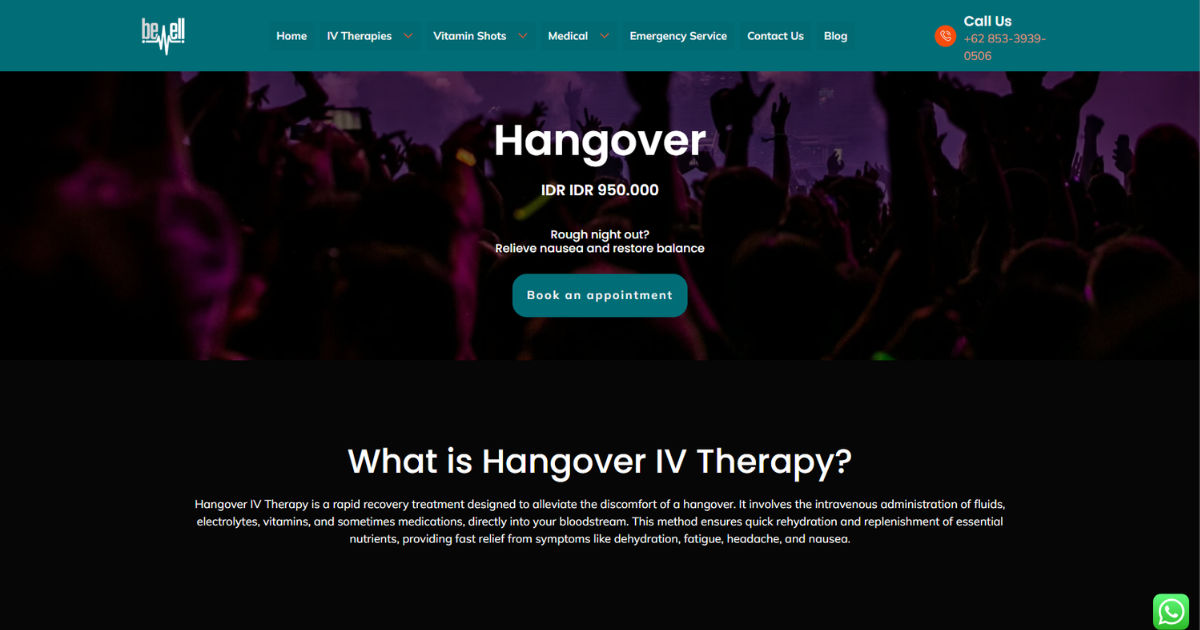
But is hangover IV therapy safe to use after drinking? In this comprehensive guide, we will explore everything you need to know about this treatment, its benefits, risks, and best practices.
Hangover IV therapy involves receiving fluids, vitamins, and electrolytes directly into the bloodstream through an intravenous (IV) line.
This method allows the body to absorb nutrients faster than oral supplements, potentially offering rapid relief. While many people report feeling better almost immediately, it is essential to understand how it works and whether it is safe for everyone.
How Hangover IV Therapy Works
When a person drinks alcohol, the body experiences several physiological changes. Alcohol is a diuretic, which means it increases urine production and can lead to dehydration. Dehydration contributes to common hangover symptoms such as headaches, dizziness, and fatigue. Alcohol also depletes essential vitamins and minerals, including vitamin B complex, vitamin C, and electrolytes like sodium and potassium.
Hangover IV therapy aims to counteract these effects by delivering a carefully formulated mix of fluids, vitamins, and electrolytes directly into the bloodstream. This bypasses the digestive system, allowing faster absorption and immediate hydration. In some cases, medications like anti-nausea agents or pain relievers may be included in the IV drip.
Common Ingredients in Hangover IV Therapy
The effectiveness and safety of hangover IV therapy depend largely on its ingredients. Some of the most commonly used components include:
- Saline Solution: Provides hydration and helps restore fluid balance.
- Electrolytes: Sodium, potassium, and magnesium help maintain proper nerve and muscle function.
- Vitamins: Vitamin B complex and vitamin C are frequently included to replenish nutrients depleted by alcohol.
- Amino Acids: Some IV treatments contain amino acids to support liver function and energy production.
- Anti-nausea or Pain Medication: Occasionally added to help alleviate severe hangover symptoms.
It is important to note that formulations may vary between providers. Always consult with a licensed professional to ensure you receive a safe and appropriate combination for your needs.
The Benefits of Hangover IV Therapy
Many people choose hangover IV therapy because of its potential benefits. Some of the most commonly reported advantages include:
- Rapid Hydration: Alcohol-induced dehydration can be corrected quickly with an IV drip.
- Fast Symptom Relief: Fatigue, headache, and nausea may improve within an hour of treatment.
- Nutrient Replenishment: Vitamins and electrolytes help restore the body’s natural balance.
- Convenience: Therapy can be administered at clinics or even at home through mobile IV services.
Research on hangover IV therapy is still limited, but anecdotal evidence suggests that many individuals experience noticeable relief after a session.
Potential Risks and Safety Concerns
While hangover IV therapy can provide quick relief, it is not without risks. Understanding these risks is crucial before deciding to use this treatment.
- Infection: Any procedure that involves inserting a needle carries a risk of infection. Proper sterilization and experienced medical staff reduce this risk.
- Vein Damage: Repeated IV therapy can cause irritation or damage to veins.
- Allergic Reactions: Some individuals may react to vitamins, electrolytes, or medications in the IV.
- Overhydration: Receiving too much fluid can overwhelm the heart and kidneys, particularly in people with underlying health conditions.
- Underlying Health Conditions: Individuals with heart, kidney, or liver problems should consult a doctor before undergoing hangover IV therapy.
It is essential to choose a reputable provider and disclose any medical conditions to ensure safety.
Is Hangover IV Therapy Safe Immediately After Drinking?
A common question is whether hangover IV therapy is safe immediately after drinking alcohol. The answer depends on several factors, including your overall health, the amount of alcohol consumed, and the ingredients in the IV.
While IV therapy itself does not interact directly with alcohol, it is crucial to avoid heavy drinking immediately before treatment. Alcohol can impair judgment, affect blood pressure, and increase the risk of dehydration or electrolyte imbalance. Medical professionals generally recommend waiting until the worst of the acute alcohol effects have passed before undergoing IV therapy.
For mild to moderate drinking, hangover IV therapy is usually considered safe when administered by a licensed medical provider. For heavy drinking or alcohol poisoning, professional medical attention is required, and IV therapy alone may not be sufficient.
Who Should Consider Hangover IV Therapy
Hangover IV therapy may benefit certain individuals more than others. These include:
- Frequent Social Drinkers: Those who often experience hangovers may find IV therapy provides quick relief.
- Individuals with Busy Schedules: People who need to recover quickly for work or events can benefit from rapid symptom relief.
- People with Nutrient Deficiencies: Alcohol depletes vitamins and minerals, making IV therapy an effective way to replenish nutrients.
- Those with Severe Hangover Symptoms: When dehydration, nausea, and fatigue are significant, IV therapy may be more effective than oral remedies.
It is not recommended for individuals under the legal drinking age, people with certain medical conditions, or those who may be allergic to ingredients in the IV solution.
How to Prepare for Hangover IV Therapy
Preparing for hangover IV therapy can improve safety and effectiveness. Here are some tips:
- Hydrate Beforehand: Drink water to prevent extreme dehydration.
- Eat Something Light: A small meal can help stabilize blood sugar levels.
- Avoid Alcohol: Refrain from drinking immediately before therapy.
- Know Your Health History: Inform the provider about medical conditions, medications, or allergies.
- Choose a Licensed Provider: Ensure that the clinic or mobile service is reputable and follows strict safety protocols.
Following these steps reduces the risk of complications and enhances the benefits of treatment.
Alternative Methods for Hangover Relief
While hangover IV therapy is popular, it is not the only method for managing hangovers. Other options include:
- Oral Hydration: Drinking water or electrolyte drinks can help restore fluid balance.
- Healthy Meals: Foods rich in vitamins and minerals support recovery.
- Sleep: Rest allows the body to repair and recover naturally.
- Over-the-Counter Medications: Pain relievers or anti-nausea medications can provide temporary relief.
Hangover IV therapy can complement these methods, particularly when rapid recovery is desired.
Cost and Accessibility
The cost of hangover IV therapy varies depending on location, ingredients, and whether it is administered at a clinic or at home. On average, sessions can range from $100 to $500. Some mobile IV services offer subscriptions or package deals.
Accessibility is also a consideration. Urban areas often have more providers, while rural locations may have limited options. It is important to research providers and read reviews to ensure safe and reliable service.
Common Misconceptions
There are several misconceptions about hangover IV therapy:
- It Cures Alcohol Poisoning: Hangover IV therapy is not a treatment for alcohol poisoning. Immediate medical care is necessary in severe cases.
- It Removes Alcohol from the Body: IV therapy does not accelerate alcohol metabolism; the liver still processes alcohol at its natural rate.
- It Prevents Hangovers Entirely: While IV therapy may alleviate symptoms, it does not prevent hangovers if drinking continues excessively.
Understanding the limits of hangover IV therapy helps set realistic expectations.
Tips for Maximizing the Benefits
To get the most out of hangover IV therapy, consider these tips:
- Follow Medical Advice: Only use IV therapy under the guidance of licensed professionals.
- Stay Hydrated After Treatment: Continue drinking water to maintain hydration.
- Eat Nutrient-Rich Foods: Balanced meals support recovery and replenish depleted vitamins.
- Rest: Give your body time to fully recover even after IV therapy.
- Limit Future Excessive Drinking: Preventing severe hangovers is always better than treating them.
Combining these strategies with IV therapy can enhance overall wellness and reduce hangover impact.
Conclusion
Hangover IV therapy offers a modern and convenient solution for relieving the unpleasant symptoms of alcohol consumption. By delivering fluids, vitamins, and electrolytes directly into the bloodstream, it provides rapid hydration and symptom relief. However, safety is paramount. Choosing a licensed provider, understanding the ingredients, and considering personal health conditions are essential steps.
While hangover IV therapy can be effective for quick recovery, it is not a substitute for responsible drinking, adequate hydration, and proper nutrition. Individuals should weigh the benefits and risks, and consider IV therapy as part of a broader approach to wellness and recovery after alcohol consumption.
Overall, hangover IV therapy can be safe when used responsibly, but it is essential to have realistic expectations and follow professional guidance. This treatment is best used as a supplement to healthy recovery practices, not a replacement for them.